- Home/
- Buy Seroquel in Online Pharmacy for United States Delivery
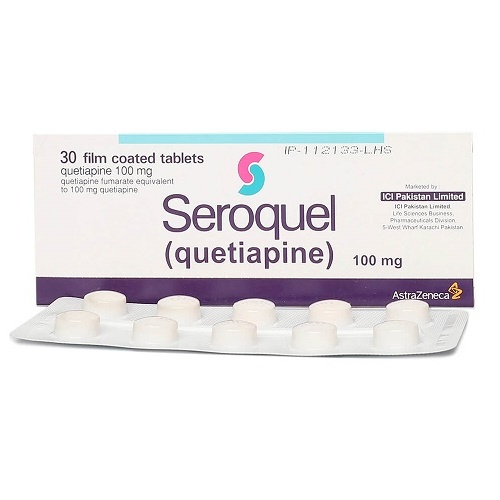
Seroquel is a prescription medication used in the United States to help manage mental health conditions such as schizophrenia, bipolar disorder, and, in some situations, major depressive disorder. The most important thing to know: Seroquel can be life-changing for some, but it’s not for everyone—understanding how it fits into your treatment, what to expect, and when to speak up is critical before starting.
The Serious Moments Where Seroquel Steps In
Imagine the moment when symptoms have pushed past coping: voices that won’t quiet, moods that swing so hard you’re left dizzy, or a darkness that stubbornly resists every attempt to brighten it. Seroquel rarely shows up at the beginning of someone’s mental health journey. Instead, it’s often part of a conversation that starts with the words, “Things have changed, and we need to think differently about treatment.”
For many in the United States, Seroquel enters the picture when other approaches haven’t delivered enough. It’s FDA-approved for schizophrenia, for the manic and depressive phases of bipolar disorder, and as an add-on for major depressive disorder when first-line antidepressants aren’t enough. The stakes are high—so are the risks and potential benefits.
Clinical insight: Seroquel isn’t a “try it and see” medication. Doctors reach for it when symptoms threaten safety, function, or quality of life, and when the risks of not treating outweigh the risks of side effects.
That’s why patients and families often approach Seroquel with both hope and fear. Understanding what it can and cannot do is the first step in making an informed—and empowered—decision.
Seroquel in Real Life, Not Theory
Clinical studies tell a story of numbers and averages, but the reality for any one patient often looks messier. What does Seroquel actually feel like, day-to-day? Does it work quickly or slowly? What happens with sleep, appetite, and thinking? These are the unanswered questions patients bring to their doctors and, too often, leave without real answers.
- For some: Seroquel’s calming effect arrives within days, but full symptom control can take weeks.
- For others: Side effects—like drowsiness or weight gain—show up first and can overshadow early benefits.
- And for a few: The first dose feels like a wall—heavy sedation that is hard to shake, especially with the extended-release version.
In the United States, Seroquel is both respected and controversial. It’s prescribed by psychiatrists and, increasingly, by primary care doctors for off-label uses. But the biggest difference between theory and practice? How the medication fits (or doesn’t fit) with a person’s life, routines, and priorities.
How Seroquel Works: Quetiapine, the Inside Story
Seroquel is more than just a label—the active ingredient, quetiapine, is doing a lot behind the scenes. Unlike older antipsychotics that hammered one brain pathway, quetiapine works across several. It’s a “second-generation” antipsychotic, meaning it influences both dopamine (which plays a role in psychosis and mood) and serotonin (key in mood and anxiety regulation).
- Second-generation antipsychotic:
- A class of medications developed to treat psychiatric disorders with a lower risk of certain movement side effects than older medications, and with broader effects on mood and thought.
What’s unique about quetiapine? Its “loose grip” on dopamine receptors means a lower risk of movement disorders like tardive dyskinesia, compared to many alternatives. But its broad effect on other brain receptors can lead to sedation, weight gain, and changes in blood sugar or cholesterol.
Doctor’s perspective: “We sometimes choose Seroquel because it’s less likely to cause restlessness or the ‘stiffness’ people fear with antipsychotics. But its tendency to sedate—especially at lower doses—can be a blessing or a curse, depending on the patient’s needs.”
That dual nature—gentler on movement, heavier on metabolic side effects—shapes every clinical decision about Seroquel. Understanding this trade-off is at the heart of using it wisely.
Who Seroquel Helps Most—and Who Should Think Twice
Not all patients are created equal in Seroquel’s world. Some see dramatic relief; others, frustration or complications. Who stands to benefit most? People with schizophrenia, particularly those who have troublesome side effects with older antipsychotics, often do well. In bipolar disorder, Seroquel is one of few medications proven effective for both manic and depressive episodes—an advantage when mood swings cross the full spectrum.
However, Seroquel’s downsides are real. Patients with a personal or family history of diabetes, high cholesterol, or obesity should proceed with caution. The medication can raise blood sugar, increase appetite, and cause weight gain. For older adults with dementia-related psychosis, Seroquel carries a boxed warning about increased risk of death—here, the risks outweigh any benefit.
- Absolute: Known allergy to quetiapine, history of severe reaction to any ingredient in Seroquel, or current use in elderly patients with dementia-related psychosis (due to increased mortality risk).
- Relative: Active liver disease, a personal or family history of diabetes, uncontrolled cardiovascular disease, or a history of certain heart rhythm problems. Always discuss these with your provider before starting.
For younger patients and those without major metabolic risks, Seroquel’s benefits can outweigh its drawbacks—especially when alternatives have failed or are poorly tolerated. For others, a careful conversation about risk, benefit, and monitoring is essential.
Seroquel vs. the Alternatives in Mental Health
Choosing a mental health medication is never just about what works in theory. It’s about side effects you can live with, how quickly relief comes, and what fits with your other health conditions and daily routines. Here’s how Seroquel stacks up against two other commonly used medications: risperidone and aripiprazole.
| Attribute | Seroquel (quetiapine) | Risperidone | Aripiprazole |
|---|---|---|---|
| FDA-approved uses | Schizophrenia, bipolar disorder (mania & depression), adjunct in major depression | Schizophrenia, bipolar mania, irritability in autism | Schizophrenia, bipolar mania, adjunct in depression, irritability in autism, Tourette’s |
| Onset of effect | Sleep/sedation often first, mood/psychosis improvement in 1-2 weeks | Rapid for agitation, mood in 1-2 weeks | May take longer for mood/psychosis, but lower sedation |
| Common side effects | Drowsiness, dry mouth, weight gain, increased cholesterol/BG | Movement symptoms (restlessness, tremor), weight gain, increased prolactin | Restlessness, insomnia, less weight gain, less sedation |
| Serious risks | Metabolic syndrome, low blood pressure, rare severe heart arrhythmias | Movement disorders, high prolactin, rare heart rhythm issues | Impulse control disorders, agitation, akathisia (restlessness) |
| Monitoring needs | Blood sugar, cholesterol, weight, blood pressure | Movement screening, prolactin level, weight | Impulse/behavioral changes, weight, blood sugar |
| Prescription status (US) | Prescription only | Prescription only | Prescription only |
| Typical cost (US, generic) | Low (quetiapine generic widely available) | Low (generic available) | Low (generic available) |
What sets Seroquel apart? It is better tolerated in patients prone to movement disorders but is more likely to cause sedation and weight gain than aripiprazole. Risperidone, while effective, often increases prolactin—a concern for sexual side effects and bone health, especially in women. For people who need help with sleep along with mood or psychosis, Seroquel’s sedating properties can be a plus. For others, especially those managing diabetes or metabolic risks, alternatives may be safer.
Taking Seroquel: The Dosing Reality
Seroquel comes in both immediate-release and extended-release forms, and the dose varies dramatically depending on what it’s being used to treat. Unlike some medications where the same dose works for everyone, Seroquel’s starting point and target range depend on diagnosis, age, and your body’s response.
| Condition | Typical Starting Dose | Usual Target Dose Range | Form |
|---|---|---|---|
| Schizophrenia (adults) | 50 mg twice daily | 300-400 mg/day, divided | Immediate-Release |
| Schizophrenia (adults) | 300 mg once daily (evening) | 400-800 mg/day | Extended-Release |
| Bipolar Mania (adults) | 50 mg twice daily | 400-800 mg/day, divided | Immediate-Release |
| Bipolar Depression (adults) | 50 mg once daily (evening) | 300 mg/day | Immediate-Release |
| Adjunct in Depression | 50 mg once daily (evening) | 150-300 mg/day | Extended-Release |
| Adolescents (13-17, schizophrenia or mania) | 25 mg twice daily | 400-800 mg/day, divided | Immediate-Release |
These ranges are not “one size fits all.” Most people start with a very low dose to reduce side effects—especially sedation—then ramp up over several days to the target. Your doctor will tailor this based on your diagnosis, how you tolerate the medication, and your other health conditions. Taking Seroquel with or without food can affect absorption, especially with extended-release; always follow your prescriber’s specific instructions.
Which Side Effects Matter Most with Seroquel—and When to Act
Every medication comes with trade-offs. Seroquel’s are upfront: fatigue, increased appetite, dry mouth, and—over time—potential for weight gain, higher cholesterol, and increased blood sugar. But what’s manageable and what’s a red flag?
Some side effects fade as your body adjusts. Drowsiness is most common at start-up or when doses increase, often improving with time or dose adjustments. Dry mouth may persist, but can usually be managed with hydration and sugar-free gum or lozenges.
- Common but manageable: Fatigue, dry mouth, mild headache, constipation
- Common and requiring monitoring: Weight gain, increased appetite, changes in blood sugar or cholesterol
- Rare but urgent: Severe muscle stiffness, high fever, confusion (possible neuroleptic malignant syndrome); fast or irregular heartbeat; signs of severe allergic reaction; new or worsening thoughts of suicide or self-harm
| Side Effect | Frequency | When to Contact Your Doctor |
|---|---|---|
| Drowsiness (sedation) | Very common | If interfering with daily life or persists beyond 2-3 weeks |
| Weight gain | Common | If rapid, or accompanied by swelling or shortness of breath |
| Increased blood sugar | Common | If you have diabetes or notice symptoms like increased thirst/urination |
| Severe muscle stiffness, high fever | Rare | Contact doctor or emergency services immediately |
| Heart rhythm changes | Rare | If you feel faint, have palpitations, or chest pain |
| Suicidal thoughts | Uncommon | If new/worsening; contact doctor urgently |
Most patients will never experience the most serious risks, but knowing the warning signs—and what’s merely inconvenient—can be the difference between safe use and a dangerous delay in care.
Accessing Seroquel in United States: Pathways, Costs, Rules
Seroquel is prescription-only in the United States—there’s no legal way to obtain it over-the-counter or through non-licensed sources. Prescriptions can be written by psychiatrists, primary care physicians, and, in some states, certain nurse practitioners or physician assistants. Generic quetiapine is widely available and typically covered by both public (Medicaid, Medicare Part D) and most private insurance plans.
- Brand vs. generic: Most US pharmacies dispense generic quetiapine unless your doctor specifically requests the brand. The generic is considered equivalent in effectiveness.
- Pharmacy access: Retail, mail order, and hospital pharmacies all carry Seroquel and its generics. Some insurance plans require prior authorization, especially for higher doses or non-standard indications.
- Typical cost: For insured patients, copays for generic are often $5–$30/month. Without insurance, retail prices vary but are typically under $50/month for generics. Assistance programs and coupons may reduce out-of-pocket costs.
- Refills: On-going mental health prescriptions require regular follow-up, usually every 1-3 months, before a refill is issued. Pharmacists can provide limited emergency supplies in certain states if you run out.
The FDA regulates all Seroquel and quetiapine products sold in the US. Online “pharmacies” that offer to ship without a prescription are not only illegal—they are unsafe and often counterfeit. Always use licensed, US-based pharmacies, and speak with your prescriber or pharmacist if cost is a barrier.
Seroquel FAQ: Real Questions, Real Answers
- Is it normal to feel very tired or sedated after starting Seroquel?
- Yes, drowsiness is one of the most common effects, especially at the start or if your dose is increased. This often lessens with time or dose adjustment. If sleepiness is severe or interferes with your daily life, let your doctor know—sometimes changing the timing or form of Seroquel can help.
- Can Seroquel make you gain weight, and is this preventable?
- Weight gain is a real possibility, especially in the first few months. Monitoring your weight, making healthy food choices, and staying physically active can help. If you notice rapid weight gain, or have a personal or family history of diabetes, discuss this with your doctor early.
- How long does Seroquel take to start working?
- You may notice calming or sedative effects within days. Improvements in mood or psychotic symptoms typically take 1-2 weeks, and sometimes longer. Don’t stop taking Seroquel suddenly—always consult your doctor if you feel it isn’t working.
- What should I do if I miss a dose?
- If it’s just a few hours late, take the missed dose as soon as you remember. If it’s almost time for your next dose, skip the missed one—do not double up. Consistency matters; set reminders or use a pillbox to help keep on track.
- Is it safe to drink alcohol while taking Seroquel?
- Combining Seroquel with alcohol increases the risk of severe drowsiness, poor coordination, and even dangerous heart effects. Most doctors recommend avoiding alcohol altogether, especially during the first weeks of treatment or if you are sensitive to sedation.
- Are the generics as good as the brand name Seroquel?
- Yes. Generic quetiapine is held to the same FDA standards for safety and effectiveness as the brand name version. Differences in appearance or inactive ingredients do not affect how the medication works.
- Can Seroquel be used for sleep problems alone?
- While some doctors prescribe low-dose Seroquel “off-label” for insomnia, this is controversial. The risks—weight gain, metabolic changes, movement disorders—may outweigh the benefits for simple sleep issues. Safer alternatives are usually preferred for insomnia unless there is an underlying psychiatric diagnosis.
Sources / References
- U.S. Food and Drug Administration (FDA) – Drugs
- SEROQUEL (quetiapine fumarate) [Prescribing Information], AstraZeneca Pharmaceuticals, 2023
- National Institute of Mental Health (NIMH)
- Quetiapine (Oral Route) – Mayo Clinic
- PubMed – National Library of Medicine
- American Psychiatric Association
- Practice Guideline for the Treatment of Patients With Schizophrenia, American Psychiatric Association, 2020
- ClinicalTrials.gov