- Home/
- Buy Propecia Online in the United States – Fast and Easy Ordering
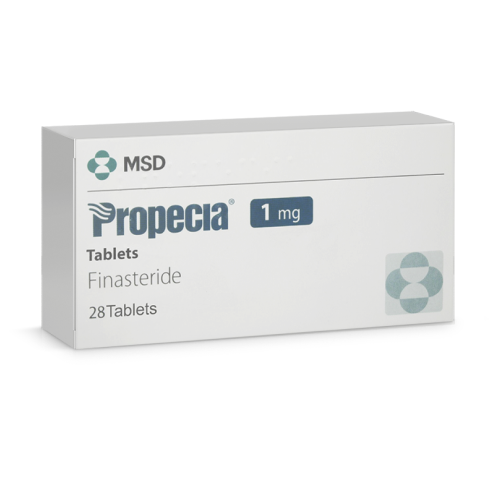
Quick Answer: Propecia (finasteride) treats male pattern hair loss by targeting the hormone behind most thinning in men. What matters most before you start: Propecia works only while you take it, and both benefits and side effects can take months to appear—so your expectations, not just your prescription, will shape your outcome.
Propecia in the Real World: Why So Many Men Ask About It
At any given moment in a busy dermatology clinic in the United States, there’s a man tracing his hairline in the exam room mirror, trying to decide if what he’s lost is enough to justify medication. The name he knows is Propecia. Maybe he’s seen the commercial, maybe his barber mentioned it, maybe he’s just tired of seeing hair on his pillow every morning and needs to do something about it. But what he’s really after isn’t a miracle—just control over the slide.
Unlike shampoos or supplements, Propecia isn’t about hope. It’s about clinical leverage: a way to slow (or sometimes even reverse) the hormonal drive behind male pattern baldness. In the United States, where hair loss is more than cosmetic—it’s a cultural touchpoint, sometimes a confidence issue, often a family joke—Propecia has become the default prescription for men who want to push back against genetics.
“Men rarely arrive asking for ‘finasteride’ by name. But they know Propecia, and they want something that really works—not just another promise in a box.”
This context matters because every expectation, every fear, and every rumor about Propecia starts outside the pharmacy—long before a prescription is written. The real story is not about a molecule, but about the lived experience of trying to keep what you have, one day at a time.
Does Propecia Actually Work for Hair Loss?
Clinical trials in the United States consistently show that Propecia slows or halts hair loss in the majority of men with androgenetic alopecia (male pattern baldness). Results can be measured in new hair count, in visible scalp coverage, and—in the way that matters most to patients—in how they feel when they look in the mirror.
The evidence is strongest for men in the early to moderate stages of hair loss. Propecia works by selectively blocking the action of the hormone dihydrotestosterone (DHT), which is the primary driver of hereditary male baldness. Unlike over-the-counter treatments or supplements with little or no clinical validation, Propecia’s effect is both quantifiable and sustained—provided you keep taking it.
- Onset of effect: Many men notice a slowdown in shedding within 3-6 months, but visible regrowth (if it occurs) often takes closer to a year.
- Degree of effect: Clinical studies suggest about 80% of men see stabilization or improvement; only a minority achieve dramatic regrowth.
- Duration: Ongoing. If you stop, any gains are usually lost within 6-12 months.
- Dihydrotestosterone (DHT)
- A male hormone derived from testosterone, DHT is the main culprit in shrinking hair follicles leading to male pattern baldness. Propecia reduces DHT levels in the scalp by about 60%.
What’s less often discussed: not all hair loss is created equal. Men with extensive balding or those whose hair loss comes from other causes (such as alopecia areata or scarring alopecias) are far less likely to benefit. The age you start, the pattern of your hair loss, and your expectations all matter.
What Taking Propecia Really Looks Like, Day to Day
For most men in the United States, starting Propecia is a quiet act: a single pill, once a day, swallowed with water at breakfast or before bed. No rituals, no complicated schedules, no special monitoring. But the simplicity is deceptive. The real work happens invisibly—in your hormones, in your hair follicles, and, for some, in the slow rise and fall of side effects that don’t always show up in the first weeks.
Insurance coverage varies. Some plans consider hair loss cosmetic and will not reimburse Propecia, while others (especially where treatment is linked to prostate health) may partially cover finasteride under a different indication. Out-of-pocket, the cost for brand-name Propecia in the U.S. can run from $60 to $100 per month; generics are often far less, sometimes under $20.
| Attribute | Propecia (brand) | Generic Finasteride | Minoxidil (topical) |
|---|---|---|---|
| Dosing | 1 mg tablet, once daily | 1 mg tablet, once daily | Applied to scalp, twice daily |
| Prescription required | Yes, U.S. only | Yes, U.S. only | No |
| Routine impact | Minimal: take with/without food | Minimal: as above | Messy for some: scalp irritation possible |
| Insurance coverage | Rare for hair loss; sometimes for prostate | Same as brand | Usually not covered |
| Average monthly cost | $60–100 | $10–30 | $20–40 |
In practice, most men in the U.S. begin on a generic finasteride, unless they specifically request the brand or have coverage for Propecia. The active ingredient and efficacy are the same; what differs is price and, for a small subset, perceived value or trust in the original formulation.
Daily life with Propecia is straightforward. The biggest adjustment is not the pill, but the patience: benefits and side effects both reveal themselves slowly, and staying on track—without giving up or jumping to conclusions—makes all the difference.
Which Side Effects Matter Most with Propecia—and When to Act
Sexual side effects dominate most online discussions about Propecia—and for good reason. In U.S. clinical trials, decreased libido, erectile dysfunction, and reduced semen volume were reported by 1–2% of men, slightly higher than placebo. For most, these effects are mild and reversible on stopping the drug. For a small minority, symptoms persist after discontinuation—a phenomenon that has generated debate and ongoing research under the banner of “post-finasteride syndrome.”
Beyond sexual side effects, some men experience mood changes, breast tenderness, or allergic reactions. Prostate-specific antigen (PSA) levels are also reduced by finasteride, which can mask early detection of prostate cancer. Every warning in the package insert has a human story behind it, but not all are equally likely or equally urgent.
| Side Effect | How Common? | When to Contact Your Doctor |
|---|---|---|
| Decreased libido | 1–2% | If bothersome or persists after stopping |
| Erectile dysfunction | 1–2% | If bothersome, new, or persistent |
| Reduced ejaculate volume | 1–2% | If bothersome or accompanied by pain |
| Breast tenderness or enlargement | <1% | If persistent, painful, or nipple discharge |
| Mood changes (depression, anxiety) | Rare (exact frequency unknown) | If new, severe, or worsening mood symptoms |
| Allergic reaction (rash, swelling) | Very rare | Immediately; may be emergency |
| Post-finasteride syndrome | Unclear/controversial | If persistent symptoms after stopping |
“In my practice, most men tolerate Propecia without major issue, but the ones who do have side effects often feel blindsided—not because they weren’t warned, but because the side effects can be personal and hard to talk about. The most important thing is not to ignore symptoms or tough it out: your doctor can help you weigh the risks and adjust your plan.”
The bottom line: You cannot predict who will experience side effects, but you can act quickly if they arise. Open communication with your doctor is more valuable than silent endurance.
How Propecia Compares to Other Hair Loss Treatments
For male pattern baldness, Propecia is not the only option—but it is the first-line prescription in the United States for most men who want a pill, not a lotion. The alternatives—topical minoxidil, low-level laser therapy, surgical hair transplants—each carry their own trade-offs in convenience, effectiveness, cost, and side effects.
| Attribute | Propecia (Finasteride 1mg) | Minoxidil (Topical 5%) | Hair Transplant Surgery |
|---|---|---|---|
| Indication | Male pattern baldness (crown, mid-scalp) | Male pattern baldness, other thinning | Advanced hair loss, non-responders |
| Mechanism | DHT blocker | Follicle stimulator | Physically replaces hair |
| Onset of effect | 3–6 months to slow loss, 12+ months for regrowth | 2–4 months for shedding reduction | Immediate appearance, full results in 6–12 months |
| Evidence strength | High; multiple U.S. and global RCTs | Moderate; consistent but less dramatic | Variable; surgeon-dependent, permanent results |
| Common side effects | Sexual, mood, rare allergy | Scalp itch, flaking, rare systemic | Surgical risk, scarring, cost |
| Prescription required | Yes | No | Pre-surgical evaluation |
| Cost (U.S. average) | $10–100/month (brand/generic) | $20–40/month | $5,000–$15,000+ |
| Duration of effect | Only while taken | Only while used | Usually permanent |
What does this mean for you? Propecia is the most convenient daily option with the strongest evidence for holding the line against hair loss—but it does not work for everyone, and it does not create “new” hair in areas long gone bald. Minoxidil is less expensive and easily available, but adherence is lower due to mess and inconvenience. Hair transplant is an option for late-stage loss but comes with cost, surgery risk, and no guarantee you won’t lose more hair without ongoing medical therapy.
No single approach fits all. Many U.S. physicians now recommend a combination—Propecia plus topical minoxidil—especially for men with early, active hair loss and a desire for both prevention and regrowth. Your choice should reflect your pattern, your priorities, and your willingness to stick with the routine.
Getting Propecia in the United States: Access, Prescriptions, and Costs
In the U.S., Propecia is a prescription-only medication. You cannot buy it over the counter, online without a prescription, or from a pharmacy without a doctor’s authorization. Both telemedicine platforms and traditional clinics can prescribe Propecia, and most major pharmacy chains—CVS, Walgreens, Rite Aid—as well as independent pharmacies stock either the brand or its generic equivalents.
Pricing is a frequent sticking point. Insurance companies in the United States nearly always classify Propecia for hair loss as a “cosmetic” expense, meaning most men pay out of pocket. Generic finasteride is typically much cheaper—often less than $1 per pill, sometimes even less through pharmacy discount programs or large national chains.
- Brand Propecia: Around $60–$100/month, rarely covered unless prescribed for prostate issues.
- Generic finasteride 1 mg: $10–$30/month, widely available.
- Online mail-order pharmacies: Offer convenience and competitive pricing, but verify state licensure and physician involvement.
- Pharmacy Benefit Managers (PBMs)
- PBMs are companies that negotiate drug prices on behalf of insurers and big employers in the U.S. They rarely prioritize coverage for cosmetic hair loss treatments like Propecia, affecting access and price.
If cost is prohibitive, ask your doctor or pharmacist about splitting 5 mg finasteride tablets (originally approved for prostate problems) into quarters to achieve the 1 mg dose. While common in U.S. practice, this approach requires careful pill-splitting and is considered “off-label.” Always discuss with your prescriber before attempting this strategy.
When Not to Take Propecia: The Red Lines You Can’t Cross
While most adult men are physiologically eligible for Propecia, these absolute and relative contraindications are non-negotiable. Every new prescription should begin with a review of these red lines—not just a blanket recommendation.
If you do not fit into these categories, Propecia is likely safe from a systemic standpoint. If you do, there are no “workarounds”—choose another path with your doctor.
FAQ: Real Questions about Propecia You Won’t Find in the Package Insert
- How long do I need to take Propecia before I see results?
- Most men notice reduced hair shedding after 3–6 months, but visible regrowth can take 12 months or longer. Consistency is key, as missing doses or stopping for “trial periods” often leads to loss of progress.
- If I stop Propecia, will I lose all the hair I gained?
- Yes—usually within 6–12 months after stopping, you’ll lose any hair retention or regrowth achieved with Propecia. The effect is not permanent; it only works while you’re taking the medication.
- Can I combine Propecia with minoxidil or other treatments?
- Yes, and this is common in U.S. practice. The combination targets different mechanisms and may improve results, especially for men with early or moderate hair loss.
- Are the sexual side effects permanent?
- For most men, side effects resolve after stopping Propecia. A small percentage report persistent symptoms even after discontinuation, but this is rare and remains an area of ongoing study.
- Should I worry about prostate cancer screening while on Propecia?
- Yes—Propecia lowers your PSA level, which is a marker used in prostate cancer screening. Be sure to tell your doctor you’re taking finasteride; they will interpret your PSA results accordingly.
- Is it safe for women to be around Propecia users?
- Yes, as long as tablets are intact. The risk is only for women who are or may become pregnant and handle crushed or broken tablets, due to risk of male fetal abnormalities.
- Can I drink alcohol while taking Propecia?
- There is no known interaction between moderate alcohol consumption and Propecia. However, excessive drinking may worsen hair loss through other mechanisms, so moderation is advised.
- Does Propecia work for receding hairlines or just the crown?
- The strongest evidence is for crown and mid-scalp hair loss; results for receding frontal hairlines are less predictable, but some men do see benefit. Discuss your pattern with your doctor.
References
- U.S. Food and Drug Administration (FDA)
- Prescribing Information for Propecia, Merck & Co., 2022
- American Academy of Dermatology: Hair Loss Clinical Guidelines
- PubMed: Finasteride for androgenetic alopecia – Systematic review
- Mayo Clinic: Male Pattern Baldness
- American Hair Loss Association
- ClinicalTrials.gov
- Finasteride: Drug Information, Lexicomp, 2023