- Home/
- Buy Cialis Online in the United States – Fast Delivery and Easy Ordering
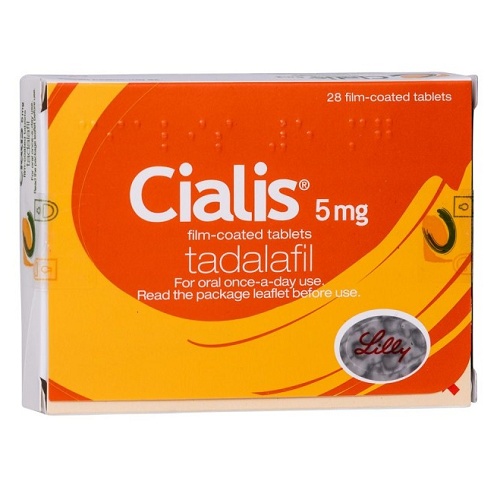
Can You Get Cialis Without a Prescription in the United States?
No, a prescription is legally required to obtain Cialis (tadalafil) in the United States. It is unlawful and unsafe to purchase Cialis without a valid prescription from a licensed healthcare professional. All legitimate pharmacies—whether local or online—must request a prescription before dispensing this medication. This protects your safety and ensures proper medical oversight.
Table of Contents
- Quick Summary: Key Facts About Cialis
- How Does Cialis Work in the Body?
- Expert Commentary from doctor
- Cialis Dosage and How to Take It Safely
- Food, Alcohol, and Lifestyle: What Affects Cialis?
- Who Should NOT Take Cialis? Contraindications and Cautions
- What Are the Side Effects of Cialis and How Common Are They?
- Common Patient Mistakes Observed by doctor
- Cialis vs Alternatives: How Does It Compare?
- Compatibility Checklist: Cialis and Other Medications
- How to Legally Obtain Cialis in the United States: A Step-by-Step Guide
- Legal and Safe Purchasing: Avoiding Counterfeit Cialis
- How to Identify Genuine Cialis: Appearance and Packaging
- Original Cialis vs Generics: What’s the Difference?
- Special Populations: Safety Considerations
- What To Do in Case of Overdose
- Psychological Support: Normalizing the Experience
- Questions Frequently Asked to doctor
- Frequently Asked Questions (FAQ)
- Professional Opinion of doctor
- References
Quick Summary: Key Facts About Cialis
| Parameter | Description (2026, US context) |
|---|---|
| Active Ingredient | Tadalafil |
| Main Use | Erectile Dysfunction (ED) |
| Prescription Status | Prescription Only |
| Onset of Action | 30–60 minutes (typical) |
| Duration of Effect | Up to 36 hours |
| Absolute Contraindication | Use of nitrates (risk of severe hypotension) |
| Typical Starting Dose | 10 mg (as needed) or 2.5–5 mg (daily use) |
| Insurance Coverage | Coverage varies by plan; out-of-pocket price range: $50–$75 per tablet (brand), $5–$20 (generic) |
How Does Cialis Work in the Body? (Mechanism of Action Explained)
Cialis (tadalafil) is a selective inhibitor of phosphodiesterase type 5 (PDE5). PDE5 is an enzyme found in the smooth muscle of the corpus cavernosum of the penis, as well as in the lungs and other tissues. By blocking PDE5, Cialis prevents the breakdown of cyclic guanosine monophosphate (cGMP), a molecule involved in relaxing smooth muscle and dilating blood vessels. The result? Enhanced blood flow to the penis during sexual stimulation, allowing for an erection in response to arousal—but only when sexual stimulation is present.
- Biochemical Sequence: Sexual arousal → Nitric oxide release → Increased cGMP → Smooth muscle relaxation → Blood flow increases → PDE5 inhibition by tadalafil sustains cGMP levels → Erection maintained.
Cialis does not act as an aphrodisiac and does not cause an erection without sexual stimulation. Its effects can last up to 36 hours, earning it the nickname “the weekend pill.” Metabolism occurs primarily in the liver (via CYP3A4), and elimination is mostly via feces with some renal excretion.
Simplified metaphor: Think of penile blood vessels as a garden hose. Normally, a clamp (PDE5) squeezes off the flow. Cialis removes the clamp, but only if you turn on the faucet (sexual excitement).
Myth vs Reality:
Myth: Cialis works instantly and doesn’t require arousal.
Reality: Cialis requires sexual stimulation to be effective.
Expert Commentary from doctor
As a urologist, one of the biggest misconceptions I encounter is the expectation that Cialis will work regardless of context. Many men are surprised to find that, unlike testosterone or anabolic steroids, Cialis does not directly trigger sexual desire or performance. Instead, it helps amplify the body’s natural response during arousal. I also see patients who take higher doses than necessary, thinking it will yield better results, but this just increases side effect risks. My advice: take the minimum dose that works for you, and always discuss persistent non-responsiveness with your doctor—sometimes the underlying cause isn’t vascular but psychological or hormonal.
Cialis Dosage and How to Take It Safely
- What are the standard dosing options?
-
- As-needed dosing: Start with 10 mg orally at least 30 minutes before anticipated sexual activity. May be adjusted to 20 mg or reduced to 5 mg based on efficacy and tolerability.
- Once-daily dosing: 2.5 mg to 5 mg once daily, taken at approximately the same time each day, regardless of timing of sexual activity. Suitable for men who anticipate frequent use (>2 times/week).
- When does Cialis reach peak effect?
- Peak blood levels are reached in about 2 hours, but effects may be noticed as early as 30 minutes. Duration of action extends up to 36 hours.
- Maximum dose?
- Do not exceed 20 mg in a single day. Higher doses do not improve efficacy but do increase the risk of adverse effects.
- Special considerations:
-
- Elderly patients (>65 years): Start at the lowest effective dose, as metabolism may be slower.
- Renal impairment: Moderate—do not exceed 10 mg in 48 hours; Severe—Cialis is not recommended.
- Hepatic impairment: Use with caution, start low, monitor closely.
- Tablet splitting:
- Do not split Cialis tablets unless your pharmacist confirms the formulation allows splitting (most are not scored).
Never take more than one dose in a 24-hour period.
Food, Alcohol, and Lifestyle: What Affects Cialis?
- Food: Cialis can be taken with or without food. Fatty meals do not significantly delay absorption, unlike some other ED medications.
- Alcohol: Moderate alcohol (1–2 drinks) is generally safe, but higher amounts increase the risk of orthostatic hypotension (dizziness, fainting). Excessive alcohol can also worsen ED symptoms.
- Grapefruit Juice: Avoid. Grapefruit juice inhibits CYP3A4, the enzyme that metabolizes tadalafil, raising blood levels and increasing side effect risk.
- Lifestyle: Smoking, obesity, and sedentary habits can reduce drug efficacy and worsen ED.
Bottom line: A healthy lifestyle improves both erectile function and the effectiveness of Cialis.
Who Should NOT Take Cialis? Contraindications and Cautions
| Absolute Contraindications | Relative Contraindications |
|---|---|
|
|
Why these restrictions? The main risk is a dangerous drop in blood pressure, especially when combined with nitrates or certain blood pressure medications. In patients with severe heart or liver disease, the body may not tolerate the hemodynamic changes induced by Cialis.
If you’ve had a heart attack or stroke: Don’t use Cialis until you are cleared by your cardiologist (typically at least 6 months post-event if stable).
What Are the Side Effects of Cialis and How Common Are They?
| Frequency | Adverse Effects | Mechanism/Notes |
|---|---|---|
| Very Common (>1/10) | Headache, indigestion (dyspepsia) | Vasodilation increases blood flow. GI smooth muscle relaxation. |
| Common (>1/100, <1/10) | Back pain, muscle aches, flushing, nasal congestion, limb pain | Systemic vasodilation, mild smooth muscle effects |
| Uncommon (>1/1,000, <1/100) | Dizziness, blurred vision, increased heart rate, allergic rash | Blood pressure shifts, minor neurovisual effects |
| Rare (>1/10,000, <1/1,000) | Priapism (painful, long-lasting erection), sudden hearing loss, vision loss in one eye (NAION) | Emergency: risk of permanent tissue damage |
If you experience:
- An erection lasting longer than 4 hours
- Sudden vision or hearing loss
- Severe chest pain, shortness of breath, or allergic reactions (hives, swelling)
Seek emergency medical assistance immediately in these scenarios.
Most side effects are mild and resolve with dose adjustment or discontinuation.
Common Patient Mistakes Observed by doctor
- Taking Cialis without sexual stimulation: Many expect an automatic erection. The drug requires arousal to be effective.
- Doubling up after “no effect”: Some men take a second tablet too soon, risking overdose. Allow sufficient time (at least 24 hours) for the drug to work, and consult your provider before adjusting the dose.
- Combining with nitrates or certain blood pressure medications: This can cause a dangerous drop in blood pressure. Always tell your provider about all medications.
- Using recreational drugs or “popper” nitrates: Can lead to life-threatening hypotension when combined with Cialis.
- Ignoring underlying conditions: Some patients rely solely on medication and avoid addressing possible psychological or medical contributors to ED (e.g., diabetes, depression).
- Purchasing from unverified sources: Counterfeit medications are common online. Always use a licensed pharmacy.
To avoid these mistakes: Only use Cialis as prescribed, communicate openly with your healthcare provider, and follow safe purchasing practices.
Cialis vs Alternatives: How Does It Compare?
| Name | Active Ingredient | Onset (min) | Duration (hours) | Typical Price (per tab, 2026) | Key Pros | Key Cons |
|---|---|---|---|---|---|---|
| Cialis (Brand) | Tadalafil | 30–60 | Up to 36 | $50–$75 (brand); $5–$20 (generic) | Long action, flexible timing, food has minimal effect | Higher price (brand), muscle/back pain |
| Viagra | Sildenafil | 30–60 | 4–6 | $50–$70 (brand); $4–$15 (generic) | Rapid onset, lower cost (generic) | Affected by fatty meals; shorter window |
| Levitra | Vardenafil | 30–60 | 4–8 | $40–$70 (brand); $6–$18 (generic) | High efficacy even in diabetes; less food impact | QT prolongation risk (rare), cost |
Prices are approximate and may vary by pharmacy, insurance, and location. Generics are widely available and significantly less expensive.
Compatibility Checklist: Cialis and Other Medications
| Substance | Compatible? | Risks/Notes |
|---|---|---|
| Nitrates (e.g. nitroglycerin) | NO | Life-threatening drop in blood pressure |
| Alpha-blockers (e.g. tamsulosin) | With caution | May cause hypotension; start with low dose and monitor |
| Antihypertensives | Usually | Monitor for symptomatic hypotension |
| Grapefruit juice | NO | Raises tadalafil levels, increasing adverse effects |
| Alcohol (moderate) | Yes | Limit to 1–2 drinks to avoid dizziness |
| Recreational drugs (“poppers”) | NO | Dangerous interaction—severe hypotension |
| Most antibiotics | Yes | But always check first; some may interact via CYP450 |
Always double-check with your pharmacist or physician before starting new medications or supplements.
How to Legally Obtain Cialis in the United States: A Step-by-Step Guide
- Consultation: Schedule an appointment with a licensed healthcare provider (in-person or via telemedicine). In cities like New York, Los Angeles, and Houston, telehealth options are widely available.
- Medical Evaluation: Complete a confidential questionnaire and/or physical exam to assess the causes of ED and screen for contraindications.
- Prescription Issuance: If appropriate, your provider will write an electronic prescription for Cialis (tadalafil), specifying the dose and quantity.
- Choose a Pharmacy: Take your prescription to a licensed pharmacy or choose a verified online pharmacy. Look for the National Association of Boards of Pharmacy (NABP) “VIPPS” seal for online vendors.
- Pick Up/Receive Medication: Present your prescription and valid ID for verification. Most pharmacies will process your insurance, if applicable.
- Follow-Up: Schedule regular check-ins with your provider to assess effectiveness and monitor for side effects.
Note: Avoid any website offering Cialis without requiring a prescription—this is illegal and exposes you to counterfeit products and health risks.
Legal and Safe Purchasing: Avoiding Counterfeit Cialis
- Purchase only from licensed US pharmacies, whether brick-and-mortar or online.
- Check for pharmacy licensing on state boards and the NABP’s VIPPS program.
- The US FDA warns that websites not requiring prescriptions often sell fake or substandard products. Penalties for illegal importation can include seizure and legal action.
- If the price seems too good to be true, it probably is. Counterfeits may contain harmful substances or incorrect doses.
In short, your prescription is not just a legal requirement—it’s your best safeguard against harm.
How to Identify Genuine Cialis: Appearance and Packaging
- Original Cialis (brand) should feature:
-
- Pale yellow, almond-shaped tablets, film-coated, with “C 20” engraved on one side (for 20 mg strength).
- Blister packs with proper labeling: strength, batch number, expiration date.
- Manufacturer: Lilly (Eli Lilly and Company), with US labeling, and often a QR code or hologram on the box.
- Patient information leaflet in English.
- Quality Check Tips:
-
- Check spelling, font consistency, and batch numbers on packaging.
- Look for tamper-evident packaging.
- Report suspicious products to the FDA’s MedWatch program.
Original Cialis vs Generics: What’s the Difference?
Generics contain the same active ingredient (tadalafil) and must meet FDA bioequivalence standards. However, excipients (inactive ingredients—fillers, binders, dyes) may vary, which can rarely cause allergic reactions in sensitive individuals.
| Criteria | Original Cialis (Brand) | Generic Tadalafil |
|---|---|---|
| Active Ingredient | Tadalafil | Tadalafil |
| Manufacturer | Eli Lilly and Company | Various FDA-approved manufacturers |
| Appearance | Pale yellow, almond-shaped tablet | Shape/color may vary by manufacturer |
| FDA Approval | Yes | Yes, if purchased from US licensed pharmacy |
| Price (per tablet) | $50–$75 | $5–$20 |
Bottom line: Most patients do just as well on generics, but if you have a history of allergies, ask your pharmacist about inactive ingredients.
Special Populations: Safety Considerations
- Older Adults >65: Use lowest possible dose; monitor for hypotension and renal/hepatic function.
- Renal/Hepatic Impairment: Dose reduction or avoidance recommended; consult a specialist.
- Cardiovascular Disease: Only use if your condition is stable. Avoid within 6 months of major cardiac events.
- Diabetes: May require higher doses for efficacy; consult your endocrinologist.
- Driving/Operating Machinery: Dizziness is uncommon, but caution is advised until you know your reaction.
- Fertility: No evidence Cialis adversely affects male fertility at approved doses.
- Women/Children: Not indicated; safety and efficacy unestablished.
What To Do in Case of Overdose
- Stop taking Cialis immediately.
- Call 911 or your local emergency number.
- Inform the medical staff exactly how much was taken, when, and any symptoms (e.g., chest pain, prolonged erection, severe dizziness).
- Do not attempt to induce vomiting or “wait it out” at home.
Overdose risks include severe hypotension, priapism, and cardiac events. Prompt treatment is essential.
Psychological Support: Normalizing the Experience
Experiencing erectile dysfunction is common and affects millions of men across the United States. It does not define your masculinity or worth. Open conversations—with your partner and with medical professionals—can relieve much of the anxiety associated with treatment. Remember, ED often has a psychological component and is highly treatable.
Questions Frequently Asked to doctor
- Q: Can I take Cialis every day?
- Yes, if prescribed at the daily dose (2.5–5 mg). Do not take higher doses daily without explicit medical instruction, as this increases side effect risk.
- Q: What if I miss a dose of daily Cialis?
- Take it as soon as you remember, but if it’s close to your next dose, skip the missed one—never double up.
- Q: Is it safe to combine Cialis with other ED medications?
- No. Combining ED drugs (e.g., Viagra, Levitra) can dangerously lower blood pressure and has not been shown to improve results.
- Q: How long can I safely use Cialis?
- Long-term use is considered safe if monitored by your physician and if you have regular cardiovascular evaluations.
- Q: What about alcohol—can I have a drink?
- 1–2 standard drinks are usually safe, but excess alcohol increases both ED symptoms and side effect risk. Moderation is key.
- Q: I have diabetes. Will Cialis work for me?
- Yes, it is effective in many men with diabetes, though some may need dosage adjustments. Keep your diabetes well controlled for best results.
- Q: Can Cialis cause addiction or dependence?
- No physiological dependence occurs, but over-reliance for confidence can happen. Discuss psychological concerns with your provider.
- Q: When should I stop taking Cialis?
- If you develop chest pain, severe vision or hearing changes, or erections lasting over 4 hours, stop immediately and seek medical help. Otherwise, only stop under your provider’s guidance.
Frequently Asked Questions (FAQ)
- Is Cialis available over the counter in the United States?
- No. Cialis is only available by prescription from a licensed healthcare provider.
- How quickly does Cialis start working?
- Most users experience effects in 30–60 minutes after taking a dose by mouth with or without food.
- Can Cialis be delivered to my home?
- Yes, if you use a licensed online pharmacy and have a valid prescription. The pharmacy will ship directly to your US address.
- Is there a generic version of Cialis?
- Yes. FDA-approved generic tadalafil is widely available at a lower cost.
- What should I do if Cialis doesn’t work for me?
- Contact your healthcare provider. There may be underlying factors (medical, psychological, or drug interactions) affecting efficacy.
- How much does Cialis cost in the United States?
- Brand: $50–$75 per tablet. Generic: $5–$20 per tablet. Prices vary by location, insurance, and pharmacy.
- Can I get Cialis legally online?
- Yes, but only from certified US pharmacies that require a prescription. Beware of online vendors who do not require a prescription.
- Does Cialis cure erectile dysfunction?
- No. It treats symptoms but doesn’t address underlying causes.
- Is long-term Cialis use safe?
- For most men, yes, especially under medical supervision. Regular check-ups are recommended.
Professional Opinion of doctor
In my clinical practice, Cialis (tadalafil) is often my first-line therapy for men seeking a flexible, long-lasting treatment for erectile dysfunction. Patients who value spontaneity or prefer not to plan intimacy around a pill’s schedule tend to benefit most, especially due to its extended action window. However, it’s not universally ideal. Men with unstable heart disease, those taking nitrates, or severe renal/hepatic impairment should avoid it due to serious interaction risks. Some men also experience back pain or muscle aches that are less common with alternatives like sildenafil. While generics offer substantial cost savings, efficacy is nearly identical provided the pharmacy is reputable. Ultimately, the choice should be individualized—what works for one patient may not suit another, and addressing underlying conditions or lifestyle factors is equally crucial. Always consult a specialist; don’t self-prescribe.
References
- U.S. Food and Drug Administration (FDA). “Tadalafil (Cialis) Label Information.” Accessed June 2026. https://www.accessdata.fda.gov/scripts/cder/daf/index.cfm?event=overview.process&ApplNo=021368
- Mayo Clinic. “Tadalafil (Oral Route) Description and Brand Names.” Accessed June 2026. https://www.mayoclinic.org/drugs-supplements/tadalafil-oral-route/description/drg-20068529
- PubMed. Kloner RA, et al. “Pharmacology and Clinical Use of Tadalafil for Erectile Dysfunction.” Int J Impot Res. 2024. https://pubmed.ncbi.nlm.nih.gov/
- National Association of Boards of Pharmacy (NABP). “Find a Verified Pharmacy.” Accessed June 2026. https://nabp.pharmacy
- Eli Lilly and Company. “Cialis US Prescribing Information.” Accessed June 2026. https://www.lilly.com/
- ClinicalTrials.gov. “Tadalafil Studies.” Accessed June 2026. https://clinicaltrials.gov/
For further information, consult your healthcare provider or a board-certified urologist in your area. If you are seeking a qualified specialist, search the American Urological Association’s directory: https://www.auanet.org/