- Home/
- Buy Glucophage at Low Price in the United States Online
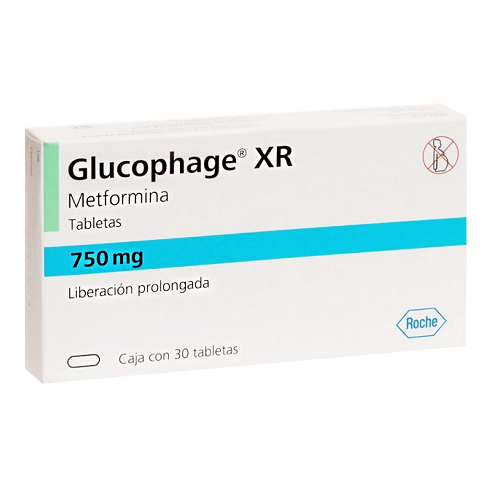
Can Glucophage (Metformin) be obtained without a prescription in the United States?
Glucophage (metformin) is a prescription-only medication in the United States. It is not legally available without a valid prescription from a licensed healthcare provider. Buying metformin without a prescription is illegal and potentially unsafe.
Key Takeaways
- Glucophage (metformin) is the first-line medication for type 2 diabetes in the United States.
- A valid prescription is required for all forms of Glucophage and metformin in the U.S.
- Most adults with type 2 diabetes benefit from Glucophage, especially when combined with lifestyle changes.
- Results in blood sugar control are typically seen within 1–2 weeks, but full effect may take up to 2 months.
- Gastrointestinal side effects are common but usually improve over time.
- Seek prompt medical advice if you experience severe abdominal pain, persistent vomiting, or symptoms of lactic acidosis.
- Coverage for Glucophage is widely available through most U.S. insurance plans, Medicaid, and Medicare.
What is Glucophage and How Does It Work in the Body?
Glucophage is the brand name for metformin hydrochloride, a biguanide-class oral medication used for the management of type 2 diabetes mellitus. Metformin primarily reduces hepatic glucose production (gluconeogenesis), increases insulin sensitivity, and decreases intestinal absorption of glucose.
At the molecular level, metformin activates AMP-activated protein kinase (AMPK), a cellular energy sensor that modulates multiple metabolic pathways. This leads to:
- Reduced glucose production by the liver (inhibition of gluconeogenesis)
- Increased peripheral glucose uptake by enhancing insulin sensitivity, especially in muscle tissue
- Decreased intestinal absorption of glucose
Unlike many other antidiabetic medications, metformin does not stimulate insulin release from the pancreas, thereby carrying a low risk for hypoglycemia when used alone.
Metaphor: Think of Glucophage as a thermostat that turns down your liver’s sugar production, helps your muscles use sugar more efficiently, and blocks some sugar from getting into your body after a meal.
Glucophage begins working after the first dose but may take up to two weeks for measurable changes in blood glucose levels. Full stabilization of HbA1c (a long-term blood sugar marker) is typically achieved within 8–12 weeks.
References: See References at the end for detailed sources including FDA and PubMed.
Why Some Patients Expect Immediate Results from Glucophage: A Clinical Perspective
As a physician, I often see patients who anticipate rapid improvements in their blood sugar or even weight loss soon after starting Glucophage. In reality, the effects are gradual; most people see meaningful changes in glucose levels only after consistent use for several weeks. Many patients also focus on their fasting glucose, but it’s important to monitor average blood sugar (HbA1c) and overall lifestyle changes. I wish more patients would ask about long-term benefits and the importance of ongoing monitoring rather than expecting a quick fix. Real-world challenges include tolerating early gastrointestinal side effects and understanding that missing doses can undermine results even if they feel fine in the short term.
What’s the Right Way to Take Glucophage? Dosage, Timing, and Duration
Glucophage is available in several dosage forms in the United States, including immediate-release (IR) and extended-release (XR or ER) tablets. Always follow your doctor’s specific instructions and check your prescription label.
- Initial dose (adults): Typically 500 mg once or twice daily with meals.
- Gradual increase: Dose may be increased by 500 mg every 1–2 weeks based on response and tolerance, up to a maximum of 2,000–2,500 mg per day (varies by formulation).
- Maximum daily dose: 2,000 mg (ER) or 2,550 mg (IR) per day—do not exceed this without explicit medical supervision.
- Elderly patients or those with mild kidney impairment: Lower starting doses and slower titration are usually recommended; kidney function must be checked regularly.
- Tablets may not be split or crushed unless specifically scored and instructed by your pharmacist or doctor. Extended-release formulations should be swallowed whole.
- Duration of use: Most patients take Glucophage long-term. Treatment duration depends on response, tolerance, and progression of diabetes.
For specific guidance on pediatric dosing, pregnancy, or complex health situations, ask your endocrinologist or diabetes specialist.
Pharmacokinetics and How Glucophage Moves Through the Body
- Absorption: Oral bioavailability is about 50–60% under fasting conditions. Food may slow absorption but does not decrease overall effectiveness.
- Peak plasma level: 2–3 hours (IR); 7 hours (XR)
- Half-life: About 6.2 hours (longer in kidney impairment)
- Metabolism: Not metabolized in the liver; excreted unchanged by the kidneys.
- Elimination: Primarily renal (urine); dose adjustment is necessary in renal impairment.
How Does Food, Alcohol, and Lifestyle Affect Glucophage?
Glucophage should always be taken with food to reduce the risk of stomach upset and diarrhea. High-fat meals may delay absorption slightly but do not reduce overall effectiveness.
- Alcohol: Strictly limit or avoid. Combining metformin with excessive alcohol increases the risk of a rare but serious side effect: lactic acidosis. “Excessive” typically means more than 2 standard drinks per day for men or 1 for women, but even moderate use should be discussed with your doctor. Avoid binge drinking entirely.
- Grapefruit juice: No clinically significant interaction with metformin is known.
- Physical activity: Exercise enhances the glucose-lowering effects of metformin and is recommended unless contraindicated.
- Other medications: See the compatibility table below.
Adjust your diet to include balanced carbohydrates, lean protein, and vegetables. Sudden changes in diet or heavy alcohol use can destabilize blood sugar control.
Compatibility of Glucophage with Other Products
| Type of product | Can it be combined? | Consequences |
|---|---|---|
| Aspirin | Yes | No significant interaction |
| ACE inhibitors (e.g., lisinopril) | Yes (with caution) | Monitor kidney function |
| Alcohol | No | Increased risk of lactic acidosis |
| Grapefruit juice | Yes | No known interaction |
| Corticosteroids | With caution | May increase blood sugar, reduce effectiveness |
| Insulin | Yes (if prescribed) | May increase risk of hypoglycemia |
Who Should Not Take Glucophage? Understanding Contraindications and Cautions
Glucophage is generally well-tolerated, but certain patients must not use it due to potential risks.
- Absolute Contraindications (Never Use):
-
- Severe kidney impairment (eGFR <30 mL/min/1.73 m2)
- Acute or chronic metabolic acidosis, including diabetic ketoacidosis
- Known hypersensitivity to metformin
- Acute conditions with potential to affect kidney function (e.g., severe infection, shock, dehydration)
- Recent or planned use of iodinated contrast agents (within 48 hours)
- Relative Contraindications (Use with Caution/Under Specialist Supervision):
-
- Moderate kidney impairment (eGFR 30–45 mL/min/1.73 m2): Dose reduction and close monitoring required
- Liver disease: May increase risk of lactic acidosis
- Heart failure: Unstable or acute heart failure increases risk
- Older adults (>80 years): Use only if kidney function is normal
- Alcohol use disorder: High risk of lactic acidosis
If you’ve recently had a heart attack, surgery, or severe infection, your doctor will decide when (or if) Glucophage can be safely restarted.
What Side Effects Are Most Common with Glucophage?
Most people tolerate Glucophage, but side effects are not rare, especially when starting therapy or increasing dose.
- Very Common (>1/10):
- Gastrointestinal upset: diarrhea, nausea, abdominal discomfort, flatulence, metallic taste
- Common (1/100 to 1/10):
- Loss of appetite
- Mild weight loss
- Rare (1/10,000 to 1/1,000):
- Vitamin B12 deficiency (with long-term use)
- Skin rash
- Very Rare (<1/10,000):
- Lactic acidosis: A medical emergency. Symptoms include rapid breathing, muscle pain, weakness, abdominal pain, irregular heartbeat, or confusion.
- Liver dysfunction
- Severe allergic reactions (angioedema, urticaria)
Most mild side effects resolve by reducing the dose or taking the medication with food. If you develop severe or persistent symptoms, stop the medication and contact your healthcare provider immediately.
Typical Mistakes Patients Make When Taking Glucophage—and How to Avoid Them
- Stopping medication abruptly after stomach upset: Many patients quit at the first sign of diarrhea or nausea. Instead, inform your doctor; dose adjustment or slower titration usually helps.
- Taking Glucophage on an empty stomach: This increases the risk of GI symptoms. Always take with meals.
- Skipping doses because blood sugar looks “normal”: This can lead to poor long-term control. Consistency is key.
- Not informing doctors about kidney problems or new medications: Overlooking this can increase the risk of lactic acidosis or drug interactions.
- Using alcohol while on Glucophage: Even moderate drinking increases risk of serious side effects. Always ask your doctor about safe limits.
- Ignoring routine lab tests (kidney, liver, B12): Skipping follow-up can miss preventable complications.
- Taking double doses after missing one: This doesn’t “catch up” and may increase side effects. Resume your usual schedule and consult your healthcare provider if unsure.
How Does Glucophage Compare to Other Type 2 Diabetes Medications?
Glucophage is often the first medication prescribed, but alternatives may be recommended for certain patients. Here’s how it stacks up:
| Medication | Class | Onset Speed | Duration | Main Side Effects | Typical Monthly Cost (USD, 2026) |
|---|---|---|---|---|---|
| Glucophage (Metformin) | Biguanide | 1–2 weeks | 12–24 hours (per dose) | GI upset, rare lactic acidosis | $4–$30 (generic) |
| Jardiance (Empagliflozin) | SGLT2 inhibitor | Within days | 24 hours | Genital infections, dehydration | $550–$650 |
| Ozempic (Semaglutide) | GLP-1 agonist | 1–2 weeks | 1 week (per injection) | Nausea, vomiting, rare pancreatitis | $900–$1,200 |
| Glipizide | Sulfonylurea | Within hours | 12–24 hours | Hypoglycemia, weight gain | $10–$25 |
Bottom line: Glucophage is the most cost-effective and widely used starting medication for most adults with type 2 diabetes, with a well-established safety record. Alternatives may be chosen based on specific health needs, cost, or tolerance.
What Should I Do If Glucophage Does Not Work as Expected?
- First, confirm you are taking the medication as prescribed—timing, dosing, and with food.
- Discuss your blood sugar logs and symptoms with your doctor; they may adjust your dose, address adherence, or check for conditions that reduce effectiveness (e.g., steroid use, other medications, dietary changes).
- In some cases, an additional or alternative diabetes medication may be needed. This is common as diabetes progresses.
- Never increase your dose or add other medications without consulting your healthcare provider.
Myth vs Reality:
- Myth: Glucophage alone will cure your diabetes.
- Reality: Type 2 diabetes is a chronic condition that often requires both medication and lifestyle change. Medications control symptoms; they don’t address the underlying cause.
Step-by-Step: How to Get Glucophage in the United States
- Schedule a medical appointment: Book a visit with your primary care physician, endocrinologist, or a qualified telehealth provider licensed in your state.
- Comprehensive assessment: Your provider will evaluate your blood sugar levels, kidney function, liver function, and overall health. They may order lab tests (HbA1c, creatinine, liver panel).
- Prescription issued: If appropriate, your doctor will prescribe Glucophage (metformin), specifying dosage, formulation, and instructions.
- Pharmacy fulfillment: Fill your prescription at a licensed U.S. retail or mail-order pharmacy. Most insurance plans and discount programs cover generic metformin.
- Ongoing monitoring: Expect regular follow-up appointments and repeat lab tests to monitor your response and side effects.
Telehealth services are available in most states and can prescribe metformin if appropriate after a remote evaluation. Only use legitimate, verified platforms.
Concerns and Questions Patients Often Discuss With Their Doctor About Glucophage
- How will I know if Glucophage is actually helping my diabetes?
- Most patients will see improvements in their blood sugar logs within 1–2 weeks, but your HbA1c (long-term average) is the best marker. We’ll track this every 3–6 months to assess progress.
- Can I still eat my favorite foods if I’m taking metformin?
- You don’t need to completely avoid any food, but moderation is important. Metformin helps, but diet and activity play key roles in your overall diabetes management.
- What should I do about stomach upset or diarrhea?
- These are common early on. Taking metformin with food, starting at a low dose, or switching to extended-release formulations usually helps. If symptoms persist, let me know so we can adjust your regimen.
- Do I need to monitor my kidney function while using Glucophage?
- Yes. We’ll check your kidney function before starting and at least annually after. It’s important to avoid complications and ensure safe dosing.
- Are there any activities or medications I should avoid while on metformin?
- Limit alcohol, inform all your providers about your metformin use, and tell us before you have imaging with contrast dye or start new medications. This helps avoid rare but serious risks.
- If I lose weight or my blood sugar improves, can I stop taking Glucophage?
- Possibly, but this decision should be made together. Some people achieve remission with lifestyle changes, but stopping medication without medical advice can risk relapse.
Quality Check: How Should Genuine Glucophage Look? What About Generics?
- Brand Glucophage: Tablets are typically white, round (IR) or oval (XR), may have “BMS” or “500” imprint. Packaging includes manufacturer branding (Bristol-Myers Squibb or Merck), NDC (National Drug Code), blister packs or bottles, and a U.S. FDA approval statement.
- Generics: FDA-approved generics are widely available in the U.S. and are required to meet the same quality, strength, safety, and efficacy standards as brand-name Glucophage. They may look different (shape, color, imprint) but will state the name “metformin HCl” and the manufacturer.
- Packaging authenticity: Legitimate U.S. packaging will always have a scannable NDC, lot number, and expiration date. Some distributors now include QR codes or holograms for additional verification.
- Price warning: Extremely low prices, non-U.S. labeling, missing NDC, or no patient information leaflet are common signs of counterfeit or diverted drugs.
What are excipients? These are inactive ingredients that help form the tablet. If you have known allergies to coloring agents or fillers, check the package insert or ask your pharmacist to ensure safety.
Are generics as good as Glucophage? Yes, in terms of therapeutic effect. Some patients may notice a difference in digestive side effects or tablet appearance, but this does not indicate reduced efficacy.
How to Safely Use Online Pharmacies for Glucophage in the United States
- Only purchase from pharmacies accredited by the National Association of Boards of Pharmacy (NABP) or those displaying the “.pharmacy” domain.
- Verified pharmacies will always require a valid prescription from a licensed U.S. provider. If they offer metformin without a prescription, it is illegal and risky.
- Warning signs of unsafe sellers: No prescription required, prices far below market averages, non-U.S. addresses, hidden contact information, or lack of NABP or FDA oversight.
- Counterfeit risks: Medicines from unverified sources may contain incorrect dosages, harmful adulterants, or no active ingredient at all.
- For more information: Visit the FDA’s “BeSafeRx” site: https://www.fda.gov/drugs/besafe-rx-your-source-online-safe-pharmacy-information
How Can I Spot a Counterfeit Glucophage Product?
- Check for: Official U.S. packaging (pharmacy bottle or FDA-approved blister), NDC number, lot and expiration, tamper-evident seal, and patient information leaflet in English.
- Tablet appearance: Consistent color, shape, and imprint—compare to images from your pharmacy or the manufacturer’s website.
- Price too good to be true? Extremely low prices may indicate counterfeit or illegally imported drugs.
- Suspicious packaging: Foreign language, missing NDC, or “supplement” labeling are major red flags.
- If in doubt: Contact your pharmacist, check the manufacturer’s site, or use FDA resources to verify authenticity.
How Should Glucophage Be Stored and Handled? Technical Characteristics Table
| Parameter | Value |
|---|---|
| Active Ingredient | Metformin hydrochloride |
| Available strengths (U.S.) | 500 mg, 850 mg, 1000 mg (IR, ER) |
| Pharmaceutical Forms | Tablet (IR, ER) |
| Usual Administration | Oral, with meals |
| Storage | Room temperature (68–77°F), dry, original container |
| Shelf-life | Typically 2–3 years (see package) |
| Can Tablet be Split? | Only if scored (ask pharmacist) |
| Controlled Substance? | No |
What Should I Do If I Take Too Much Glucophage?
- Stop taking the medication immediately.
- Call 911 or the Poison Control Center (https://www.poison.org/ or 1-800-222-1222) for urgent advice.
- Inform the medical team of the name, dosage, and amount ingested, as well as any symptoms (especially rapid breathing, confusion, weakness, or abdominal pain).
- Do not wait for symptoms to appear—lactic acidosis can develop rapidly and is life-threatening.
Immediate medical attention may involve blood tests, supportive care, and, in severe cases, hospitalization and dialysis.
Specific Considerations for Special Patient Groups
- Chronic kidney disease: Dose reduction or avoidance depending on eGFR; frequent kidney function monitoring required.
- Liver disease: Avoid if significant impairment due to lactic acidosis risk.
- Heart failure: Use with caution; not recommended in unstable or acute heart failure.
- Older adults (>80 years): Use only if kidney function is normal.
- Pregnancy: Metformin is sometimes used for gestational diabetes under specialist supervision; discuss risks and benefits thoroughly with your doctor.
- Breastfeeding: Metformin is excreted in breast milk in small amounts; generally considered safe but consult your pediatrician.
- Driving and machinery: Glucophage does not typically cause hypoglycemia, so impairment is rare. However, monitor if used with other diabetes drugs.
- Fertility: No direct impairment; sometimes used in polycystic ovary syndrome (PCOS) to improve ovulation.
Managing Diabetes is a Lifelong Journey—You’re Not Alone
Type 2 diabetes is extremely common and manageable. Many people find that emotional support, education, and working closely with their medical team make a significant difference. If you feel overwhelmed, consider joining a support group or speaking to a mental health professional—these steps are just as important as medication.
Clinical Assessment by doctor: Who Should Use Glucophage and When Alternatives Make More Sense
In my experience, Glucophage (metformin) offers the broadest benefit for adults recently diagnosed with type 2 diabetes, especially those who are overweight or have metabolic syndrome. It’s my first choice unless the patient has advanced kidney disease, significant liver dysfunction, or a history of intolerance to biguanides. Those with heart failure or high risk for lactic acidosis require careful monitoring or alternative therapy. Patients who need additional weight loss, have established cardiovascular disease, or fail to reach glycemic targets on metformin alone may benefit from medications like GLP-1 agonists or SGLT2 inhibitors, though these are typically more expensive. I reassess therapy at every follow-up, balancing blood sugar goals, side effects, and patient preferences before considering dose changes or combination therapy.
Frequently Asked Questions About Glucophage in the United States
- Is Glucophage safe for long-term use?
- Yes, Glucophage (metformin) is considered safe for long-term management of type 2 diabetes when monitored correctly. Regular checks of kidney function and vitamin B12 are recommended.
- Do I need a prescription for Glucophage?
- Yes, a valid prescription from a U.S. licensed healthcare provider is required for all forms of Glucophage and metformin.
- How long does it take for Glucophage to work?
- Glucose levels usually begin improving within 1–2 weeks. Maximum effect on HbA1c is typically observed within 2–3 months.
- What are the most common side effects?
- Nausea, diarrhea, bloating, and abdominal discomfort are common when starting. These usually improve over time.
- Can I drink alcohol with Glucophage?
- Limit or avoid alcohol, as combining with metformin increases the risk of lactic acidosis. Discuss safe limits with your doctor.
- What should I do if I miss a dose?
- Take your next dose at the regular time. Do not double the dose. If unsure, consult your healthcare provider.
- Are generics as effective as brand-name Glucophage?
- Yes. All FDA-approved generics must meet strict standards for effectiveness and safety.
- How much does Glucophage cost in the United States?
- As of 2026, a 30-day supply of generic metformin typically costs $4–$30 depending on dosage and pharmacy. Brand-name Glucophage costs significantly more but is rarely prescribed.
- Can I get Glucophage delivered to my home?
- Yes, most U.S. pharmacies offer mail-order or delivery service with a valid prescription.
- How is Glucophage different from insulin therapy?
- Glucophage is an oral medication that improves insulin sensitivity and reduces liver glucose output; it does not replace insulin. Insulin therapy is typically used when oral medications are insufficient.
References
- U.S. Food and Drug Administration (FDA) – Drug Database: https://www.fda.gov/drugs
- American Diabetes Association (ADA) Standards of Medical Care in Diabetes—2026. https://diabetes.org/
- National Institutes of Health (NIH) MedlinePlus: Metformin. https://medlineplus.gov/druginfo/meds/a696005.html
- U.S. National Library of Medicine, PubMed – Recent Studies: https://pubmed.ncbi.nlm.nih.gov/
- Mayo Clinic – Metformin (Oral Route) Description: https://www.mayoclinic.org/drugs-supplements/metformin-oral-route/description/drg-20067074
- ClinicalTrials.gov – Ongoing Studies in Diabetes: https://clinicaltrials.gov/
- Bristol-Myers Squibb (manufacturer): https://www.bms.com/
- National Association of Boards of Pharmacy (NABP) – Online Pharmacy Accreditation: https://nabp.pharmacy/programs/accreditations/
- Centers for Disease Control and Prevention – Diabetes Statistics: https://www.cdc.gov/diabetes/data/statistics-report/index.html