- Home/
- Buy Zithromax Online in the United States Fast and Convenient
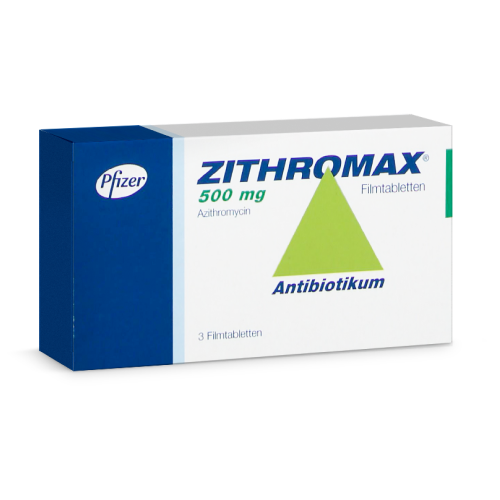
Zithromax (Azithromycin) in the United States: The Ultimate Patient & Prescriber Guide
Summary: Key Facts About Zithromax in the United States
- Active ingredient: Azithromycin (a macrolide antibiotic)
- Main uses: Bacterial infections (respiratory, skin, sexually transmitted, some ear and throat infections)
- Prescription required in the United States: Yes (FDA-regulated)
- Common forms: Tablets, oral suspension, intravenous infusion
- Onset of action: Within 2–3 hours of first oral dose
- Main contraindication: Severe liver impairment, previous severe allergic reaction to macrolides
- Price range (2026): $15–$60 for a standard 5-day course (branded); generics can be cheaper
- Insurance coverage: Most private and public insurance plans (e.g., Medicare, Medicaid) cover generics
Can I Get Zithromax Without a Prescription in the United States?
No, purchasing Zithromax (azithromycin) without a prescription is illegal in the United States. Both federal and state regulations require a valid prescription from a licensed healthcare provider. Pharmacies—both physical and online—must verify your prescription before dispensing Zithromax. This rule protects patients from inappropriate antibiotic use, dangerous self-medication, and counterfeit products.
How Does Zithromax (Azithromycin) Work?
Zithromax contains azithromycin, a macrolide antibiotic. It functions by binding to the 50S subunit of bacterial ribosomes, inhibiting protein synthesis necessary for bacterial growth and replication. In scientific terms, it blocks translocation steps in microbial protein translation, leading to bacteriostatic (growth-halting) and, at higher concentrations, bactericidal (bacteria-killing) effects (FDA, PubMed).
Unlike penicillins, azithromycin doesn’t directly disrupt the bacterial cell wall, making it effective against organisms resistant to beta-lactam antibiotics. It concentrates within immune cells (especially phagocytes), allowing it to reach sites of infection rapidly and persist in tissues long after blood levels decline.
Simplified metaphor: Think of Zithromax as a “factory worker strike” within the bacteria—it prevents essential workers from producing new parts, so the bacteria can’t multiply or repair themselves, eventually dying off.
Pharmacokinetics in Plain Language
- Absorption: Rapid, but slowed by food
- Metabolism: Primarily in the liver
- Elimination: Mainly in bile/feces; some via urine
- Half-life (T1/2): Long—approximately 68 hours. This means it stays in your body for several days, supporting short-course dosing.
Note: Azithromycin is effective regardless of infection site (lungs, skin, genitals), but only against bacteria that are sensitive to macrolides. It will not treat viral infections like the common cold or flu.
Expert Commentary from doctor
In my experience, the biggest misunderstanding about Zithromax is that it’s a “catch-all” for any infection. I regularly see patients who request it for viral illnesses or misuse leftovers from previous prescriptions. This leads to antibiotic resistance—one of the biggest threats to public health in the United States today. Another pitfall is not completing the full course, especially if symptoms improve early. Stopping too soon risks relapse or resistant bacteria. I always remind my patients: take every dose as prescribed and don’t save “extras” for future use. If side effects worry you, reach out—most are manageable, and alternative antibiotics exist for those with intolerance.
How Should I Take Zithromax? Dosing, Timing, and Duration
Zithromax dosing depends on your infection type, age, and other health factors. Always follow your doctor’s instructions precisely.
- Adults (respiratory, skin, some sexually transmitted infections): Most common is a “Z-Pak” (6 tablets, 250 mg each): 500 mg on day 1, then 250 mg once daily for the next 4 days.
- Children: Dose is based on weight—typically 10 mg/kg on day 1, then 5 mg/kg days 2–5. Liquid suspension is often used.
- Gonorrhea/Chlamydia: Single dose of 1 g (1000 mg) is sometimes used, based on CDC guidelines.
- Maximum daily dose: Do not exceed 500 mg/day for most indications unless directed by your doctor.
- Renal/liver impairment: Caution: Dose adjustments or alternatives may be needed in severe cases—consult your provider.
- Tablets splitting: Zithromax tablets are film-coated. Do not split unless your doctor instructs you to do so.
When will I feel better? Many patients notice improvement within 24–48 hours, but it is crucial to complete the full course to avoid relapse and resistance.
Does Food, Alcohol, or Juice Affect Zithromax Absorption?
| Substance | Effect on Azithromycin | Recommendation |
|---|---|---|
| Fatty meals | Delays absorption, lowers peak blood levels by ~50% | Take 1 hour before or 2 hours after a meal |
| Alcohol (moderate) | No major interaction, but may increase stomach upset | Prefer to avoid during treatment |
| Grapefruit juice | No major interaction reported (unlike many other drugs) | Safe, but best to avoid excessive amounts |
| Dairy | No clinically significant effect | Can be taken with dairy |
Bottom line: The most important point is to avoid taking Zithromax with a heavy meal, which can delay how quickly it works. Occasional moderate alcohol won’t cause a dangerous interaction, but it can worsen side effects like nausea or diarrhea. No special precautions are needed with dairy or grapefruit juice, but when in doubt, check with your pharmacist.
Who Should NOT Take Zithromax? Contraindications Explained
- Absolute contraindications (never take):
-
- Known allergy to azithromycin or any macrolide antibiotic (e.g., erythromycin, clarithromycin)
- History of cholestatic jaundice or hepatic dysfunction associated with previous use of azithromycin
- Severe liver failure (e.g., Child-Pugh class C)
- Relative contraindications (caution required):
-
- History of QT prolongation, ventricular arrhythmias, or on medications known to prolong QT interval
- Severe kidney disease (may require dose adjustment)
- Myasthenia gravis (risk of symptom worsening)
- Pregnancy and breastfeeding—generally considered safe, but use only if benefits outweigh risks
- Older adults with existing heart rhythm disorders
Why? Zithromax can alter heart conduction (QT interval), which in rare cases leads to dangerous arrhythmias, especially if combined with other risk factors or medications. It is processed in the liver, so severe liver problems may cause harmful accumulation.
What Side Effects are Most Common with Zithromax?
Side effects are generally mild and self-limited, but serious reactions do occur. Here’s how they break down:
- Very common (>1/10): Diarrhea, nausea, abdominal pain
- Common (>1/100 and <1/10): Vomiting, headache, changes in taste, flatulence, dizziness, rash
- Uncommon (>1/1,000 and <1/100): Changes in liver enzymes, allergic reactions (rash, itching), fatigue
- Rare (>1/10,000 and <1/1,000): Severe allergic reactions (anaphylaxis), severe liver injury, hearing changes (typically reversible), arrhythmias (QT prolongation, torsades de pointes)
- Very rare (<1/10,000): Stevens-Johnson syndrome, toxic epidermal necrolysis
What should I do if I notice side effects?
- Mild stomach upset or diarrhea: Keep hydrated, finish the course unless symptoms are severe.
- Skin rash, difficulty breathing, severe fatigue, yellowing of eyes/skin: Stop medication and seek immediate medical attention.
- Irregular heartbeat, fainting, or severe dizziness: Call 911 or go to the nearest emergency room.
Zithromax Compatibility Check: Common Medications and Products
| Product/Drug | Can Be Combined? | Potential Consequences |
|---|---|---|
| Acetaminophen (Tylenol) | Yes | No significant interaction |
| Ibuprofen | Yes | No significant interaction |
| Warfarin (blood thinner) | With monitoring | Possible increased bleeding; check INR frequently |
| Statins (cholesterol-lowering drugs) | Generally yes | Rare muscle side effects; monitor if symptoms develop |
| Other macrolides/antibiotics | No | Risk of additive toxicity, no added benefit |
| QT-prolonging drugs (amiodarone, sotalol) | Strictly No | Life-threatening arrhythmias possible |
| Oral contraceptives | Yes | No significant interaction |
| Alcohol | Occasionally | May worsen stomach upset |
Always inform your healthcare provider about all medications and supplements you are taking, including over-the-counter and herbal products.
Common Patient Mistakes Observed by doctor
-
Stopping the medication early because symptoms improve.
Why it’s a problem: Bacteria may not be fully eradicated, increasing risk of relapse and antibiotic resistance.
How to avoid: Always finish the full course, even if you feel better. -
Using leftover antibiotics or sharing with family/friends.
Why it’s a problem: Infections may require different antibiotics, and incomplete courses are ineffective or dangerous.
How to avoid: Never use antibiotics not prescribed for your current illness. -
Taking with food “to protect the stomach” without realizing it delays absorption.
Why it’s a problem: Zithromax works best on an empty stomach; food can delay or diminish its effect.
How to avoid: Take as directed—usually 1 hour before or 2 hours after meals. -
Combining with antacids containing aluminum or magnesium.
Why it’s a problem: These can reduce absorption.
How to avoid: Space antacids and Zithromax by at least 2 hours. -
Failing to report allergies or heart rhythm problems.
Why it’s a problem: Increases risk of severe adverse events.
How to avoid: Always give your full medical history to your healthcare provider.
How Does Zithromax Compare to Other Antibiotics?
| Drug | Main Use | Onset Speed | Duration of Therapy | Common Side Effects | 2026 Price (5-day course) |
|---|---|---|---|---|---|
| Zithromax (Azithromycin) | Respiratory, skin, STDs | 12–24 hrs | 3–5 days | GI upset, diarrhea, rare QT prolongation | $15–$60 (branded), $8–$25 (generic) |
| Amoxicillin | Respiratory, ear, skin, urinary | 12–24 hrs | 7–10 days | Rash, GI upset, allergy | $6–$25 (generic) |
| Doxycycline | Respiratory, skin, acne, STDs | 24–48 hrs | 7–10 days | Photosensitivity, GI upset, esophagitis | $12–$35 (generic) |
| Levofloxacin | Respiratory, urinary, skin | 12–24 hrs | 5–14 days | Tendon injury, CNS effects, GI upset | $20–$70 (generic) |
Bottom line: Zithromax is often preferred for short, convenient courses and in certain allergies, but resistance is rising. Always consult your provider for the right antibiotic for your infection.
Questions Frequently Asked to doctor
- Is it safe to take Zithromax if I have a heart condition?
- It depends on the specifics. If you have a history of arrhythmias or take other drugs that prolong the QT interval, we’ll review your risk and may recommend a different antibiotic. Always disclose your full cardiac history.
- Can I drink alcohol while on Zithromax?
- Moderate alcohol is unlikely to cause a serious interaction but may worsen stomach upset. Heavy drinking can stress your liver and is best avoided until your infection is resolved.
- What should I do if I miss a dose?
- Take it as soon as you remember unless it’s almost time for your next dose—then skip the missed one. Never double up. If in doubt, call your pharmacist.
- Can Zithromax be used long-term?
- Long-term use is rare but can be prescribed for some chronic lung conditions. We monitor for liver, hearing, and cardiac side effects closely in these cases.
- Does Zithromax interact with birth control?
- No clinical evidence shows that Zithromax reduces the effectiveness of birth control pills.
- Is Zithromax safe for children or older adults?
- Yes, when dosed appropriately. We calculate pediatric doses by weight and may adjust for elderly patients with kidney or liver impairment.
- Will it treat my cold or flu?
- No—Zithromax only works against certain bacteria, not viruses. Using it unnecessarily increases resistance and future risk.
Zithromax Key Characteristics Table
| Parameter | Value |
|---|---|
| Active ingredient | Azithromycin |
| Prescription required (US) | Yes |
| Available forms | Tablets, oral suspension, IV infusion |
| Usual dosage (adults) | 500 mg day 1, then 250 mg daily x 4 days |
| Children’s dose | 10 mg/kg day 1, then 5 mg/kg days 2–5 |
| Half-life (T1/2) | ~68 hours |
| Peak effect | 2–3 hours after dose |
| Main contraindication | Severe liver disease, prior macrolide allergy |
| Most common side effect | Diarrhea |
| Typical price (2026) | $8–$60 (varies by form, brand, insurance) |
How to Obtain Zithromax Legally in the United States: Step-by-Step
-
Step 1: Consult a Licensed Healthcare Provider
Schedule an appointment (in-person or via telemedicine) with a doctor, nurse practitioner, or physician assistant authorized to prescribe antibiotics. -
Step 2: Clinical Evaluation
Your provider will assess your symptoms, review your medical history, and determine whether Zithromax is appropriate (may include lab tests or swabs). -
Step 3: Obtain a Valid Prescription
If indicated, your provider sends an electronic or paper prescription to a licensed pharmacy of your choice. -
Step 4: Pick up from a Licensed Pharmacy or Verified Online Pharmacy
Present your ID and insurance (if applicable). In the case of online pharmacies, use only FDA-registered, Verified Internet Pharmacy Practice Sites (VIPPS). -
Step 5: Take as Directed
Follow all instructions. Never use Zithromax from unregulated sources—risk of counterfeits and legal penalties is high.
Myth vs Reality:
Myth: “Online pharmacies can always ship antibiotics without a prescription.”
Reality: In the US, this is illegal. Only licensed, verified pharmacies may dispense with a provider’s prescription.
How to Spot Fake Zithromax and Understand Generics vs. Original
Identifying Authentic Zithromax
- Packaging: Original Zithromax (by Pfizer) comes in blister packs with clear labeling, NDC code, lot number, and expiration date.
- Tablet: Film-coated, usually pink or white, oval, often engraved with dosage (e.g., “Pfizer ZTM 250”).
- Security features: Some packs include holograms or QR codes for verification. Always check the FDA’s BeSafeRx program for pharmacy legitimacy.
- Price: Unusually low prices or foreign-language packaging are red flags for counterfeits.
Generics vs. Original
- Generic azithromycin contains the same active ingredient and must meet FDA bioequivalence standards.
- Excipients: Inactive ingredients (fillers, dyes) may differ. Rarely, allergies or sensitivities can occur—check with your pharmacist if you have a known intolerance.
- Advantages: Generics are more affordable, widely covered by insurance, and just as effective for most patients.
- Disadvantages: Occasional taste differences for suspensions; packaging may vary.
Bottom line: Always use legitimate pharmacies, check packaging, and consult your provider or pharmacist if you have doubts about authenticity.
Getting Support: Addressing the Emotional Side of Infections and Antibiotic Use
Many patients feel anxious or embarrassed about needing antibiotics—especially for sexually transmitted infections. Remember: infections are common and treatable. You are not alone, and reaching out for help is a sign of responsibility, not weakness. If you have concerns about stigma, medication adherence, or support, consider discussing your situation with a trusted professional or loved one. Your healthcare team is there to support you.
What To Do in Case of Zithromax Overdose?
- Stop taking the medicine immediately.
- Call Poison Control: 1-800-222-1222 or dial 911 for emergencies.
- Inform medical personnel about: the drug, the amount taken, the time, and any symptoms (nausea, vomiting, heart rhythm changes, fainting).
- Do not attempt to induce vomiting unless instructed by a professional.
- Bring the medication packaging to the ER, if possible.
Overdoses are uncommon but can cause significant side effects, including severe stomach upset, hearing loss, or heart rhythm disturbances.
Special Populations: Elderly, Children, Pregnancy, and Chronic Illness
| Population | Considerations | Recommendation |
|---|---|---|
| Children | Dosing by weight; liquid form preferred | Safe when dosed correctly |
| Elderly | Higher risk of heart rhythm issues, especially if on other QT-prolonging meds | Monitor ECG and drug interactions |
| Pregnancy | No evidence of teratogenicity; FDA pregnancy category B | Use if benefits outweigh risks |
| Breastfeeding | Small amounts excreted in breast milk; generally not harmful | Consult your provider |
| Severe liver disease | Impaired metabolism; risk of accumulation | Contraindicated |
| Renal impairment | Mild/moderate: usually no adjustment; severe: monitor closely | Consult with nephrologist |
| Fertility | No evidence of effect on fertility in humans | Safe for family planning |
| Driving/Operating machinery | May rarely cause dizziness | Exercise caution if symptoms occur |
Professional Opinion of doctor
As a practicing physician, I find Zithromax most beneficial for patients who need a short, effective course of antibiotics for common respiratory, skin, or sexually transmitted infections—especially if allergies to penicillins are present. Its dosing convenience and tissue penetration are real advantages. That said, I weigh the risks carefully in those with heart rhythm abnormalities, severe liver disease, or multiple medications. With rising resistance, I rarely prescribe it for routine bronchitis or sinus infections unless clearly indicated by guidelines or culture results. In cases where first-line antibiotics are ineffective or not tolerated, Zithromax is a valuable option, but not a cure-all. As always, patient education, adherence, and follow-up are just as critical as the drug itself.
FAQ: Quick Answers on Zithromax (Azithromycin)
- Is Zithromax available without a prescription in the United States?
- No, you must have a prescription from a licensed healthcare provider to legally obtain Zithromax.
- How quickly does Zithromax start to work?
- Most patients notice symptom improvement within 1–2 days, but it’s important to finish the prescribed course.
- What is the most common side effect?
- Diarrhea is the most frequent side effect, followed by nausea and abdominal discomfort.
- Can I take Zithromax with other antibiotics?
- Combining antibiotics is rarely necessary and increases risk of side effects; only do so under direct medical supervision.
- Will Zithromax affect my birth control?
- No clinical evidence suggests reduced effectiveness of hormonal birth control with Zithromax.
- What should I do if I forget a dose?
- Take it as soon as you remember, unless it’s almost time for the next dose. Do not double up.
- Is it safe for children?
- Yes, when dosed appropriately for weight and age.
- Can I buy generic azithromycin instead of Zithromax?
- Yes, FDA-approved generics are equally effective, more affordable, and widely available.
- How can I be sure my Zithromax isn’t fake?
- Use licensed US pharmacies, check packaging details, and beware of unusually low prices or non-English labeling.
References
- FDA. “Azithromycin Drug Label Information.” 2024. https://www.fda.gov/
- Centers for Disease Control and Prevention (CDC). “Antibiotic Use in the United States.” 2025. https://www.cdc.gov/antibiotic-use/index.html
- PubMed. “Recent Safety Updates on Azithromycin.” 2024. https://pubmed.ncbi.nlm.nih.gov/
- Mayo Clinic. “Azithromycin (Oral Route) Description and Brand Names.” 2026. https://www.mayoclinic.org/drugs-supplements/azithromycin-oral-route/description/drg-20072362
- WHO. “Model List of Essential Medicines: Azithromycin.” 2026. https://www.who.int/medicines/publications/essentialmedicines/en/
- Pfizer. “Zithromax U.S. Product Information.” 2026. https://www.pfizer.com/products/product-detail/zithromax