- Home/
- Buy Viagra in Online Pharmacy for United States Customers
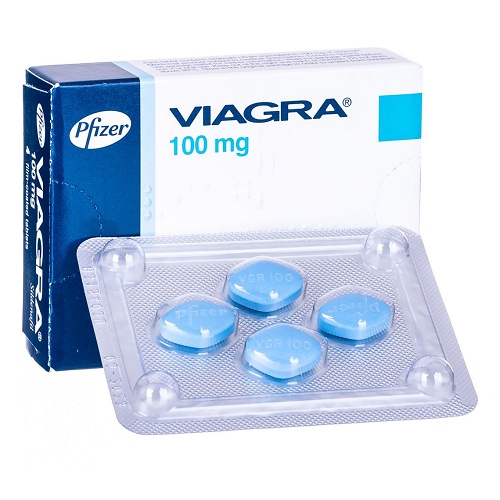
Viagra is a prescription medication used to treat Erectile Dysfunction (ED) in the United States. Its active ingredient, Sildenafil, helps men achieve and maintain an erection when sexually aroused. The most important thing to know: Viagra only works when you’re sexually stimulated, and its effects—and risks—are shaped by your overall health, other medications, and timing. Always talk with a licensed U.S. healthcare provider before starting Viagra.
Scene: Why Viagra Gets the Call in Real Life
Picture a quiet exam room. The clock ticks. A man in his fifties, hands folded, finally looks up and asks the question he’s been rehearsing in his head: “Could Viagra really help me, or is it just hype?”
This is how most real-life conversations about Erectile Dysfunction start in the United States—not with technical jargon or a product pitch, but with the human hope for a return to normalcy. For some, the issue is sudden. For others, it’s been building for years as health, stress, or medications chip away at confidence. Viagra enters the scene not as a magic fix, but as a tool—one with decades of stories, some triumphal, some more complicated.
In the U.S., Viagra isn’t just another medication. It’s a cultural reference, a late-night TV punchline, sometimes a discreet order through a telehealth platform, and, for many men, a decision point: Could this be the difference-maker for my relationship? My self-esteem?
Most men—and their partners—bring more questions than answers to that first appointment. That’s where understanding Viagra’s real role in modern American healthcare begins.
Sildenafil Under the Hood: What Makes Viagra Unique for Erectile Dysfunction
Viagra’s story is rooted in its chemistry—but the reason it still matters today goes beyond its molecular structure. Sildenafil, the active ingredient in Viagra, was the first PDE5 inhibitor to hit the U.S. market in 1998. It triggered a seismic shift: for the first time, there was an oral medication that reliably improved erections in most men with Erectile Dysfunction, regardless of the root cause.
Mechanistically, Sildenafil works by blocking the PDE5 enzyme, which normally breaks down cGMP—a molecule that helps relax blood vessels in the penis during sexual arousal. The result: increased blood flow, when and only when the body is sexually stimulated. That caveat is crucial. Without arousal, the pill does nothing, a fact many patients don’t realize until their first try.
| Attribute | Sildenafil (Viagra) | Tadalafil (Cialis) | Vardenafil (Levitra/Staxyn) |
|---|---|---|---|
| Onset of Action | 30–60 minutes | 30–45 minutes | 25–60 minutes |
| Duration of Effect | Up to 4–6 hours | Up to 36 hours | Up to 4–5 hours |
| Food Interactions | Fatty foods can delay effect | No significant effect | Minimal |
| Frequency of Use | As needed | As needed or daily | As needed |
| Common Side Effects | Headache, flushing, nasal stuffiness | Headache, back pain, muscle aches | Headache, flushing, nasal stuffiness |
| Prescription Status (U.S.) | Prescription only | Prescription only | Prescription only |
| Generic Available | Yes | Yes | Yes |
For patients, this table translates to real choices: Sildenafil (Viagra) acts quickly, but its window of action is shorter than Tadalafil (Cialis). Food—especially a heavy or fatty meal—can blunt its effect, so timing matters. Headaches are common, but muscle aches and back pain are less so compared to Cialis.
What about the other differences? In the United States, all PDE5 inhibitors require a prescription, but the practicalities of cost, insurance coverage, and pharmacy access can vary. For some, the tried-and-true reputation of Viagra makes it the default first choice. For others, lifestyle factors (wanting a longer duration, or daily dosing) tip the balance toward alternatives.
The bottom line: Viagra’s legacy is its reliability and its fast onset—but its real-world impact depends as much on the person taking it as on the pill itself.
The Viagra Experience: What to Actually Expect in Daily Life
In the United States, the distance between expectation and reality with Viagra is wider than most patients imagine. The cultural narrative is all about instant results, but the lived experience is more nuanced.
- Timing matters. Viagra usually starts working within 30–60 minutes, but the window can be unpredictable. Some men notice effects in as little as 20 minutes; others need to wait longer, especially after a large meal.
- Sexual stimulation is required. No arousal, no effect. Sitting back and waiting for something to happen leads to disappointment more often than delight.
- One dose per day is the rule. Doubling up does not double the response and risks more side effects.
- Physical side effects are possible—but most are mild and short-lived. Headache, flushing, and nasal stuffiness are among the most common.
- Psychological impact matters. For many, the real benefit is confidence—a sense that the next attempt won’t end in frustration. For some, anxiety about performance or the medication itself can blunt results.
Doctor’s Insight: “I always tell my patients: Viagra is not an aphrodisiac. It doesn’t create desire, it enables performance. The best results come when both partners understand what to expect—and what not to expect.”
Some men are disappointed after the first try, only to find that the second or third use—with better timing or fewer nerves—works as hoped. For others, underlying health issues (like diabetes, severe vascular disease, or nerve injury) limit the effect. A small group experiences robust erections but intolerable side effects.
Viagra offers predictability, but not certainty. Most men see benefit when they control the variables—timing, food, expectations—and talk openly with their partner and healthcare provider.
Viagra vs. the Competition: How Does It Stack Up in the United States?
The American market for Erectile Dysfunction medications is crowded, but few can match Viagra’s brand recognition. Still, that doesn’t mean it’s the best choice for every man.
| Attribute | Viagra (Sildenafil) | Cialis (Tadalafil) | Levitra (Vardenafil) |
|---|---|---|---|
| Prescription Needed | Yes | Yes | Yes |
| Generic Available | Yes (Sildenafil) | Yes (Tadalafil) | Yes (Vardenafil) |
| Onset of Effect | ~1 hour (faster on empty stomach) | ~30 minutes | ~30–60 minutes |
| Duration | 4–6 hours | Up to 36 hours (“weekend pill”) | 4–5 hours |
| Food Interference | Yes—fatty meals delay effect | No significant effect | Less than Viagra |
| Common Adverse Effects | Headache, flushing, nasal congestion | Muscle aches, back pain, headache | Headache, flushing, indigestion |
| Cost (U.S. ballpark, generic) | $1–$5 per tablet (varies) | $1–$5 per tablet (varies) | $3–$7 per tablet (varies) |
| Insurance Coverage | Often limited | Often limited | Often limited |
| Unique Features | First on market, widely studied | Long-acting, daily dosing possible | Oral disintegrating tablet available |
Here’s where the choice gets practical. Viagra is the original and often the most studied, but Cialis’s longer duration can be more forgiving for couples who want spontaneity over scheduling. Levitra offers a slightly different side effect profile and, in its oral disintegrating form (Staxyn), a unique option for men who struggle with swallowing pills.
Insurance coverage for all three is variable and often limited in the United States, especially for branded versions. Generic Sildenafil is usually the most affordable of the three, and is the active ingredient in both brand and generic Viagra.
Summing up: Viagra’s edge is its predictability and proven track record. But lifestyle, cost, and side effect preferences matter—and often dictate the choice more than the brand name itself.
Getting Viagra in the United States: Prescriptions, Pharmacies, and Pricing
The process for getting Viagra in the U.S. is straightforward, but not always transparent. All versions—brand and generic—require a prescription from a licensed healthcare provider. This can happen in person or via a reputable telehealth service, but a genuine medical review is always required.
- Pharmacy options: Retail (brick-and-mortar) pharmacies, large chains, independent stores, and reputable mail-order or online pharmacies licensed in the U.S. are all legal sources. Legitimacy matters: unregulated online sellers may provide counterfeit or unsafe products.
- Insurance & reimbursement: Most commercial insurance plans in the U.S. either do not cover Viagra and other ED medications, or cover only limited quantities at higher copays. Medicare and Medicaid rarely cover these drugs for ED.
- Pricing: Generic Sildenafil is now widely available, with prices as low as $1–$5 per tablet at discount pharmacies. Brand-name Viagra is substantially more expensive—often $60–$80 or more per pill—and usually not covered by insurance.
Stat: Over 90% of Sildenafil prescriptions in the U.S. are now filled with generic versions (FDA).
What about online services? Telehealth platforms must be licensed in your state and require a real medical review. They offer privacy and convenience, but the rules are identical: a prescription is always needed, and the pharmacy must be licensed in the U.S.
- Counterfeit Viagra
- Medication that is mislabeled, unregulated, or contains incorrect ingredients—often sold by unlicensed online “pharmacies.” These pose serious health risks.
The short version: in the U.S., legal Viagra access always starts with a prescription. Cost is lowest for generics, but quality and safety depend on sticking to licensed providers and pharmacies.
Which Side Effects Matter Most with Viagra—and When to Act
Almost everyone considering Viagra wants to know: “Will this make me feel bad?” The honest answer is: sometimes, but most side effects are mild, short-lived, and go away after stopping the medication. Still, some reactions signal a real problem and demand attention.
Most common side effects include:
- Headache: Occurs in about 10–16% of men. Usually mild, responds to over-the-counter pain relievers.
- Facial flushing: Redness or warmth, often fades within a few hours.
- Nasal congestion: Mild and temporary for many users.
- Indigestion: May occur, especially if taken after a large meal.
- Vision changes: Rare, but may include blue-tinted vision or increased sensitivity to light.
The real concern is distinguishing inconvenience from danger. Here’s when to act:
| Side Effect | How Common? | When to Contact a Doctor |
|---|---|---|
| Headache | Common (~10–16%) | If severe, persistent, or accompanied by other symptoms |
| Facial Flushing | Common | If accompanied by rash, swelling, or difficulty breathing |
| Nasal congestion | Common | Rarely requires action unless severe |
| Indigestion | Occasional | If persistent or significantly impacts eating |
| Vision changes (color tinge, blurred vision) | Uncommon (~2–3%) | If sudden, severe, or does not resolve after medication wears off |
| Sudden vision loss | Rare (<0.1%) | Stop medication and seek immediate medical attention |
| Erection lasting >4 hours (priapism) | Very rare (<0.1%) | Go to the emergency room immediately |
| Chest pain or palpitations | Rare | Stop medication, call emergency services |
| Rash, hives, swelling | Rare | Stop medication, seek urgent care |
For most men, side effects fade within a few hours. But rare events—vision changes, chest pain, a prolonged erection—are medical emergencies. Don’t wait to see if things improve. When in doubt, call your doctor or seek care.
Who Should Never Take Viagra—and Where Caution Is Crucial
Not everyone can safely use Viagra. Absolute contraindications mean the drug is off the table. Relative ones mean extra caution, careful monitoring, or an alternative approach.
- You use nitrate medications for chest pain (nitroglycerin, isosorbide mononitrate/dinitrate). The combination can cause a dangerous drop in blood pressure.
- You have had a recent heart attack or stroke and have not been cleared for sexual activity by your cardiologist.
- You have severe low blood pressure or severe heart failure.
- You have known allergy to Sildenafil or any ingredient in Viagra.
- You take alpha-blockers for blood pressure or prostate issues—timing doses apart is essential to avoid low blood pressure.
- You have significant kidney or liver disease—dose adjustment or alternative treatment may be necessary.
- You have certain inherited retinal disorders (such as retinitis pigmentosa).
- You’re taking medications that strongly affect CYP3A4 metabolism (some antifungals, antibiotics, HIV drugs)—this can change how your body handles Sildenafil.
The most commonly overlooked risk in U.S. practice: combining Viagra with nitrate medications. This interaction can be fatal, and it is non-negotiable.
For men with multiple health conditions, careful review of all medications with a U.S. healthcare provider is mandatory. Honest conversations, not just a checkbox on a pharmacy website, are what keep Viagra safe.
How to Take Viagra Right: Dosing, Timing, and Common Mistakes
Correct use makes all the difference. Too often, men stop after one try—never realizing a simple misstep caused the disappointment.
| Population | Starting Dose | Maximum Dose | Frequency | Adjustment Notes |
|---|---|---|---|---|
| Most adults | 50 mg | 100 mg | Once daily (as needed) | Take ~1 hour before sex. May be taken 30 min–4 hours before. |
| Older adults (>65 years, or with liver/kidney issues) | 25 mg | 100 mg (with caution) | Once daily (as needed) | Start low; increase only if well tolerated. |
| Patients on strong CYP3A4 inhibitors | 25 mg | Not to exceed 25 mg in 48 hours | Once every 48 hours | Consult doctor for medication review. |
- Timing: Take on an empty stomach for fastest effect. Food—especially high-fat meals—can delay absorption by up to an hour or more.
- Frequency: Never more than once per day, regardless of dose.
- Missed dose? Since Viagra is used as needed, there’s no “catch up.” Simply take the next dose before anticipated sexual activity.
- Alcohol: Heavy drinking can reduce effectiveness and increase risk of side effects (especially low blood pressure, dizziness).
Small adjustments—timing, dose, food—often make the difference between success and frustration.
What If Viagra Doesn’t Work? Next Steps and Rethinking the Plan
Not every man sees results from the first pill. In fact, up to one-third of men may find that Viagra doesn’t meet their needs, at least initially. Sometimes, a better understanding of how to use the medication is all it takes. In other cases, a different strategy is needed.
If you’ve tried Viagra (at the right dose, at least three times, with appropriate timing and stimulation) and it’s still not working:
- Review the approach: Check for common missteps—eaten a heavy meal? Rushed or distracted use? Not enough stimulation?
- Health check: Are there underlying health issues (diabetes, vascular disease, hormone problems, depression) or medications that could be reducing effectiveness?
- Alternative medications: Tadalafil (Cialis) or Vardenafil (Levitra) may work better for some men, especially if duration or daily dosing fits lifestyle better.
- Non-drug options: Vacuum erection devices, penile injections, psychotherapy for anxiety or relationship issues—sometimes, the answer is not in a pill.
Doctor’s Perspective: “I always encourage my patients not to give up after one or two tries. If Viagra isn’t working, let’s talk openly—it’s often a tweak, not a total change, that makes the difference. But sometimes, another drug or even a different approach entirely is the right call.”
Don’t accept persistent disappointment as inevitable. There are always next steps—and honest feedback to your U.S. healthcare provider is the fastest route to a better solution.
FAQ: Real Questions About Viagra in the United States
- Can I get Viagra without a prescription in the U.S.?
- No. Every legal source—retail pharmacy, mail order, or telehealth—requires a valid U.S. prescription. Online sellers offering Viagra without one are illegal and risky.
- Is generic Sildenafil really the same as brand-name Viagra?
- Yes. Generic Sildenafil contains the same active ingredient and works the same way as brand-name Viagra. The main differences are price and appearance, not effectiveness or safety.
- How long does Viagra last?
- Most men experience effects for 4–6 hours after taking a dose. The exact timing varies with age, health, dose, and whether the medication is taken with food.
- Can women use Viagra?
- Viagra is not approved for use in women in the United States. While Sildenafil is studied for some female sexual disorders, it is not a standard or FDA-approved treatment for women.
- What happens if I take Viagra and don’t plan to have sex?
- Viagra will have little to no effect without sexual arousal. There is no significant benefit in taking it “just in case” without plans for sexual activity.
- Does insurance cover Viagra or generic Sildenafil?
- Most U.S. health insurance plans do not cover Erectile Dysfunction medications, or cover only limited quantities at a high copay. Check with your insurer, but be prepared for out-of-pocket costs.
- Can I use Viagra with alcohol?
- Light to moderate alcohol use is unlikely to cause serious problems, but heavy drinking increases the risk of low blood pressure, dizziness, and reduced effectiveness.
- Why doesn’t my doctor offer refills automatically?
- ED medications like Viagra can interact with new medications or health conditions. U.S. doctors often require periodic check-ins to ensure continued safety.
- If Viagra doesn’t work the first time, should I increase the dose?
- Never increase the dose without talking to your doctor. Sometimes, better timing or addressing other factors works better than a higher dose—and higher doses can increase side effects.
References
- U.S. Food and Drug Administration (FDA)
- Viagra (Sildenafil) – Mayo Clinic
- 2018 AUA Guideline: Erectile Dysfunction, American Urological Association
- Pfizer – Viagra Prescribing Information
- PubMed – Sildenafil for Erectile Dysfunction
- ClinicalTrials.gov: Sildenafil
- Centers for Disease Control and Prevention (CDC)
- Harvard Health Publishing – Erectile Dysfunction Treatments