- Home/
- Buy Doxycycline Online in the United States at Affordable Prices
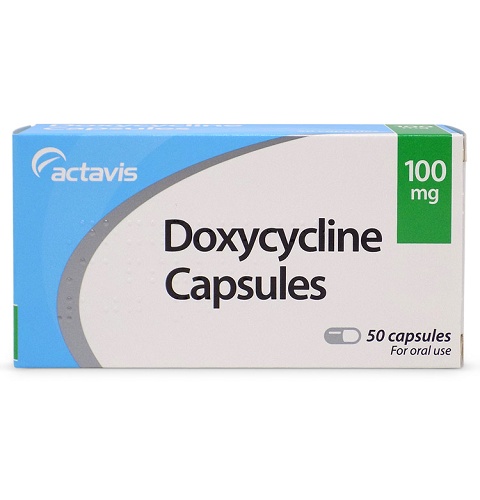
Can you obtain Doxycycline without a prescription in the United States?
No, Doxycycline cannot be legally obtained without a prescription in the United States. It is classified as a prescription-only antibiotic by the Food and Drug Administration (FDA).
Key Takeaways: What To Know About Doxycycline in the United States
- Doxycycline is a prescription-only antibiotic in the United States, commonly used for bacterial infections and specific conditions like acne, Lyme disease, and malaria prophylaxis.
- It is generally well-suited for adults and adolescents with bacterial infections where first-line antibiotics are indicated, but not for children under 8 or pregnant women due to safety risks.
- Most people begin to notice improvement in infection symptoms within 2–3 days of starting treatment, but the full course should always be completed.
- Photosensitivity (sun sensitivity) is a key safety consideration—patients must avoid excessive sun exposure during therapy.
- Always consult a healthcare provider if you experience severe side effects or allergic reactions while taking Doxycycline.
- Doxycycline is effective only against specific bacterial infections—it does not treat viral illnesses like colds or flu.
What is Doxycycline and Who Is It For?
Doxycycline is a broad-spectrum tetracycline antibiotic that is FDA-approved for the treatment of many bacterial infections, including respiratory tract infections, skin and soft tissue infections, sexually transmitted infections (STIs) such as chlamydia, Lyme disease, and as a preventive agent against malaria in travelers. It is also routinely used for the long-term management of acne and certain dental infections. In the United States, Doxycycline is available in both branded and generic formulations, and is included in standard clinical guidelines for various infectious diseases.
It is not effective for viral infections; using it for inappropriate indications increases resistance and harms gut flora. Eligibility for Doxycycline depends on factors like age, pregnancy status, and comorbidities—your physician will determine appropriateness based on current clinical guidelines (CDC; FDA).
How Does Doxycycline Work? (Mechanism of Action)
Doxycycline works by inhibiting bacterial protein synthesis. Specifically, it binds to the 30S subunit of the bacterial ribosome, preventing the addition of amino acids to the growing peptide chain. This blocks the production of essential proteins bacteria need to survive and multiply, exerting a bacteriostatic (growth-inhibiting) effect. Unlike some antibiotics, Doxycycline does not directly kill bacteria but stops them from reproducing so the immune system can eliminate them.
On a practical level, you can think of Doxycycline as a lock that jams the machine bacteria use to make the proteins that keep them alive. Without those proteins, the bacteria can’t grow or spread, allowing your body’s immune defenses to clear the infection more effectively. Doxycycline is active against a broad range of bacteria, including some that are resistant to other antibiotic classes, but it does not work on viruses or fungi.
Reality: While Doxycycline begins inhibiting bacterial proteins soon after absorption, noticeable symptom improvement typically takes 24–72 hours, depending on the infection.
Why Patient Perception Often Differs from Actual Effectiveness: A Physician’s Perspective
As a physician, I often see patients expect antibiotics like Doxycycline to resolve their symptoms within hours. This is rarely the case. Many individuals judge effectiveness based on how quickly their fever drops or pain subsides, not realizing that immune response and tissue healing take time even after the bacteria are suppressed. It’s also common for patients to stop taking the medication when they “feel better,” missing the crucial point: completing the course is needed to ensure full eradication and prevent resistance. Many never ask how Doxycycline’s action differs from other antibiotics, or whether it might affect gut health or interact with supplements. In practice, I find that educating patients about expected timelines, possible mild symptom fluctuations, and the importance of adherence can significantly improve outcomes and reduce relapse or incomplete treatment.
How Should Doxycycline Be Taken? Dosage and Administration in the U.S.
Doxycycline is available as tablets, capsules, and oral suspension, in strengths of 50 mg, 75 mg, 100 mg, and 150 mg. The most commonly prescribed adult dose is 100 mg once or twice daily, depending on the infection and clinical guidelines. Treatment duration ranges from a single day (malaria prophylaxis) up to several weeks (e.g., for acne or chronic infections).
Key points for U.S. patients:
- Take Doxycycline with a full glass of water while sitting or standing to reduce risk of esophageal irritation.
- Do not lie down for at least 30 minutes after swallowing a dose.
- Some formulations can be split, but always check with your pharmacist or doctor first; not all tablets are designed to be halved.
- Maximum daily dose should not exceed 200 mg in adults, except in specific cases under medical supervision.
- No major dosage adjustments are needed in mild kidney or liver impairment, but severe dysfunction warrants caution or monitoring (Mayo Clinic).
- Doxycycline is generally not recommended for children under 8 years due to effects on bone and tooth development.
Symptom improvement often begins within 48–72 hours, but you must complete the prescribed course even if you feel better, to avoid resistance and relapse. Stopping early is one of the leading contributors to antibiotic failure.
Does Doxycycline Interact with Food, Alcohol, or Other Lifestyle Factors?
Absorption: Doxycycline can be taken with or without food, but taking it with a light meal or snack can help minimize stomach upset. However, dairy products (milk, cheese, yogurt) and calcium supplements can bind Doxycycline and reduce absorption. It’s best to avoid dairy within 2 hours of taking each dose.
- High-fat meals slightly reduce absorption but are less problematic than calcium-containing foods.
- Grapefruit juice does not significantly affect Doxycycline metabolism (unlike with some other medications).
Alcohol: Moderate alcohol intake does not appear to cause dangerous interactions with Doxycycline, but excessive or chronic alcohol use may lessen effectiveness by inducing liver enzymes and increasing excretion. Patients with liver disease should avoid alcohol entirely while on Doxycycline.
Supplements/antacids: Products containing iron, magnesium, aluminum (found in many antacids and multivitamins) should be taken at least 2–3 hours apart from Doxycycline to avoid binding and reduced absorption.
Who Should NOT Take Doxycycline? Contraindications and Cautions
- Absolute Contraindications
-
- Children under 8 years old (risk of permanent tooth discoloration and bone growth inhibition)
- Pregnancy (second and third trimester: risk of fetal harm; avoid in all trimesters unless no alternatives exist)
- Known allergy to tetracyclines (risk of severe allergic reactions)
- Relative Contraindications (Use with Caution)
-
- Severe liver impairment (Doxycycline is primarily excreted in the bile and feces; risk of accumulation)
- History of esophageal disorders or severe gastroesophageal reflux (due to risk of ulceration)
- Patients exposed to intense sunlight (photosensitivity can be severe in some individuals)
- Concurrent use of retinoids (risk of increased intracranial pressure).
- Cardiovascular and Organ-specific Risks
-
- No direct interaction with nitrates, but caution in patients on anticoagulants (Doxycycline may increase effect of warfarin).
- Does not significantly prolong QT interval or directly affect blood pressure.
If you have had a recent heart attack or major organ failure, discuss with your doctor whether Doxycycline is appropriate; alternative antibiotics may be safer in unstable conditions.
What Side Effects Are Most Common with Doxycycline?
Side effects may occur, but most are mild and reversible upon discontinuation.
- Very common (>1/10): Gastrointestinal upset (nausea, vomiting, diarrhea), photosensitivity (skin rash, sunburn), mild headache.
- Common (1/100 to 1/10): Esophageal irritation or ulceration (especially if not taken with enough water), vaginal yeast infections, loss of appetite.
- Rare (1/1,000 to 1/100): Severe allergic reactions (anaphylaxis, hives), blood abnormalities (thrombocytopenia), liver dysfunction, increased intracranial pressure (symptoms: persistent headache, vision changes).
- Very rare (<1/10,000): Permanent tooth discoloration in children, severe skin reactions (Stevens-Johnson Syndrome).
If you experience any signs of severe allergy (throat swelling, difficulty breathing), stop the medication and seek emergency care immediately. For mild side effects, contact your doctor to discuss whether to continue, adjust dosage, or switch medications.
Mechanism Insight: Photosensitivity is caused by Doxycycline’s accumulation in the skin and activation by UV light, leading to exaggerated burns or rashes.
Common Missteps: How Patients Frequently Undermine Doxycycline Treatment
- Stopping medication early: Many patients halt the course as soon as they feel better, increasing the risk of recurrence and antibiotic resistance.
- Taking with dairy or supplements: Consuming milk, yogurt, or calcium/iron supplements within two hours of a dose can prevent the drug from being absorbed, rendering it less effective.
- Lying down immediately after dosing: This increases the risk of esophageal irritation or ulcers, as the tablet or capsule can lodge in the throat rather than quickly reaching the stomach.
- Ignoring sun protection: Underestimating the risk of sunburn and not using sunscreen or protective clothing leads to painful reactions, especially during summer months.
- Sharing antibiotics: Using leftover Doxycycline or giving it to family/friends is unsafe and may not treat the intended infection effectively.
- Missing doses and doubling up: Forgetting a dose and then taking double the next time can increase side effects without improving effectiveness.
To avoid these pitfalls, follow the prescribed schedule, carefully read usage instructions, and consult your doctor or pharmacist before making any changes or combining with other products.
How Does Doxycycline Compare to Other Antibiotics?
Doxycycline is often prescribed alongside or instead of other antibiotics such as Amoxicillin and Azithromycin. Here’s how they compare on critical criteria:
| Antibiotic | Common Uses | Onset of Action | Course Duration | Notable Side Effects | Typical Cost per Tablet (USD, 2026) | Prescription Required? |
|---|---|---|---|---|---|---|
| Doxycycline | Respiratory, skin, STIs, Lyme, acne | 24–72 hours | 5–28 days | Photosensitivity, GI upset | $0.50–$3.00 (generic) | Yes |
| Amoxicillin | Respiratory, ear, UTI, dental, skin | 24–48 hours | 5–10 days | Allergy (rash), GI upset | $0.10–$1.50 (generic) | Yes |
| Azithromycin | Respiratory, STI, skin, some GI | 24–48 hours | 1–5 days | QT prolongation, GI upset | $2.50–$8.00 (generic) | Yes |
Doxycycline is especially valuable for tick-borne diseases and in patients allergic to penicillin. It is less appropriate for severe infections where bactericidal (bacteria-killing) drugs are preferred, or when risk of sun exposure is high.
Doxycycline: Technical Reference Table
| Available Strengths | 50 mg, 75 mg, 100 mg, 150 mg tablets/capsules; oral suspension |
| Usual Adult Dose | 100 mg once or twice daily |
| Duration of Therapy | 5–28 days, depending on indication |
| Onset of Effect | 24–72 hours after first dose |
| Metabolism | Minimal hepatic metabolism; excreted largely in feces and urine |
| Half-life (T1/2) | 16–22 hours |
| Storage | Room temperature; protect from light and moisture |
Compatibility: Can Doxycycline Be Combined With Other Products?
| Product Type | Can It Be Combined? | Consequences |
|---|---|---|
| Paracetamol (Acetaminophen) | Yes | No significant interaction |
| Oral contraceptives | Yes/Monitor | May slightly reduce effectiveness; use additional contraception |
| Calcium/iron supplements | With caution | Take 2–3 hours apart to avoid absorption issues |
| Alcohol | Moderation | Chronic heavy use reduces efficacy; occasional use is generally safe |
| Antacids (aluminum, magnesium) | No (simultaneously) | Reduces Doxycycline absorption; separate by 2–3 hours |
| Warfarin | Monitor | May increase bleeding risk; monitor INR |
How to Obtain Doxycycline Safely in the United States: Step-by-Step Guide
- Consultation: Schedule an appointment with your physician (in-person or via licensed telehealth platform) to discuss your symptoms or exposure risk. In larger U.S. cities, urgent care clinics and travel medicine centers are also options.
- Medical assessment: The doctor evaluates your history, conducts any necessary tests or evaluation, and determines if Doxycycline is appropriate under current clinical guidelines.
- Prescription issuance: If indicated, a prescription (electronic or paper) is provided. In the U.S., electronic prescriptions are standard and sent directly to your chosen pharmacy.
- Pharmacy fulfillment: Present your ID and insurance card (if applicable) at a licensed pharmacy chain (e.g., CVS, Walgreens, Rite Aid) or local independent pharmacy. For telehealth, you may select a mail-order pharmacy for home delivery.
- Counseling and pickup/delivery: A pharmacist will provide usage instructions, safety counseling, and answer questions before dispensing.
Insurance coverage varies; most generic Doxycycline is covered by both private and public plans (Medicare, Medicaid). Out-of-pocket cost for uninsured patients is typically under $10–$30 for a complete course.
How to Identify a Legitimate Online Pharmacy in the United States
With the rise of online pharmacies, patients must be vigilant to avoid counterfeit or unsafe medications. Key safety advice:
- Look for VIPPS accreditation: The National Association of Boards of Pharmacy (NABP) operates the .Pharmacy Verification Program, certifying legitimate pharmacies.
- Require a valid prescription: A legal U.S. online pharmacy always requires a doctor’s prescription and will never sell antibiotics without one.
- Check for a U.S. address and phone number: Avoid sites that provide only an email or offer shipping from outside the United States.
- Beware of “too good to be true” prices: Extremely low prices can indicate counterfeit or substandard products.
- Pharmacist availability: Legitimate sites offer the ability to consult with a licensed pharmacist before purchase.
Never purchase Doxycycline from websites that do not clearly display their license, require a prescription, or operate outside U.S. jurisdiction. Counterfeit antibiotics may be ineffective or dangerous.
How to Recognize Counterfeit Doxycycline in the U.S.
Counterfeit antibiotics are a growing concern and can result in treatment failure or harm. To verify authenticity:
- Check packaging: Original Doxycycline (branded or generic) comes in sealed blister packs or pharmacy vials with the manufacturer’s name, drug name, strength, and lot number. Labels should be professional, with no spelling errors or blurred print.
- Appearance: Tablets/capsules are usually yellow or light green, sometimes marked with numbers or logos. Powder in suspension form should dissolve evenly without clumping.
- Security features: U.S. packaging may include barcodes or QR codes; some manufacturers provide holograms for high-value brands. Generic medications are held to the same FDA quality standards as branded products.
- Price warning: Unusually low prices—especially from unverified sources—are a red flag for counterfeits or imported versions not approved for U.S. markets.
About generics: Generic Doxycycline contains the same active ingredient as branded versions. Differences may exist in excipients (inactive fillers), which can rarely cause allergic reactions in sensitive patients. Generics are rigorously tested by the FDA for identity, strength, purity, and bioequivalence, making them a safe and cost-effective alternative for most people.
Managing Infections: Psychological Support and Practical Advice
Remember, bacterial infections are common and treatable—needing an antibiotic is not a personal failure. It’s normal to feel anxious when prescribed a new medication. Open communication with your healthcare provider and, if appropriate, with family or a support network can help ease concerns and improve adherence. If you have questions or uncertainties about your treatment, do not hesitate to speak up; your provider is there to support your recovery.
What to Do in Case of Doxycycline Overdose
- Stop taking Doxycycline immediately.
- Call Poison Control at 1-800-222-1222 or seek emergency medical attention (dial 911) if life-threatening symptoms are present (e.g., severe vomiting, confusion, breathing difficulty).
- Be prepared to inform medical professionals about the exact dose taken and any other medications or supplements recently used.
- Do not attempt to induce vomiting unless instructed by a healthcare professional.
While overdose with Doxycycline is rarely fatal, prompt medical evaluation is essential to prevent complications.
Clinical Assessment by doctor: Who Benefits Most from Doxycycline?
In my clinical practice, Doxycycline is an excellent first-line agent for adults and adolescents with bacterial infections where resistance patterns or allergies limit other antibiotics. It is particularly effective for tick-borne illnesses (e.g., Lyme disease), atypical respiratory infections, and acne that does not respond to topical therapy. Patients with a reliable history of adherence and no complicating factors, such as pregnancy or significant liver disease, tend to do well. Doxycycline is not suitable for children under 8 or women who are pregnant or breastfeeding due to safety risks. In severe infections requiring rapid bactericidal action, or when gastrointestinal side effects have been problematic in the past, alternatives such as Amoxicillin or Azithromycin may be preferable. The biggest benefit-risk decisions involve balancing the risk of photosensitivity or potential esophageal irritation with the advantages of broad coverage and convenient dosing. Reassessment is warranted if symptoms do not improve within 72 hours or if significant side effects emerge.
Questions Patients Often Ask Doctor About Doxycycline Therapy
- How quickly should I expect to feel better after starting Doxycycline?
- Most patients notice symptom improvement within 2–3 days. However, it’s important to complete the entire prescribed course even if you feel better before it ends.
- Is it safe to take Doxycycline if I have a sensitive stomach?
- Doxycycline can cause stomach upset in some people. Taking it with a small meal (avoiding dairy) and plenty of water usually helps. If severe stomach pain, nausea, or vomiting occurs, reach out to your doctor.
- What should I do if I miss a dose?
- Take the missed dose as soon as you remember unless it’s nearly time for your next scheduled dose. Don’t double up on your next dose; spacing them too closely could increase side effects.
- Can I travel or go out in the sun while on Doxycycline?
- Limited sun exposure is safe if you use sunscreen and wear protective clothing, as Doxycycline increases sun sensitivity. Avoid prolonged direct sunlight, especially during peak hours, to prevent severe sunburn.
- Will Doxycycline interact with my birth control pills?
- Doxycycline may slightly reduce the effectiveness of oral contraceptives, though the risk is low. Using an additional non-hormonal method during treatment is prudent.
- How will my doctor know if the Doxycycline is working?
- Your doctor will assess your symptom improvement and, if appropriate, may order follow-up testing to ensure the infection is resolving. If no improvement is seen within 72 hours, further investigation or a change in therapy may be needed.
Frequently Asked Questions About Doxycycline in the United States
- Is Doxycycline effective for COVID-19 or viral infections?
- No. Doxycycline is effective only against certain bacterial infections. It does not treat viruses, including COVID-19, the common cold, or influenza.
- Can I get Doxycycline at a pharmacy without seeing a doctor?
- No. In the United States, Doxycycline is prescription-only and cannot be legally dispensed by a pharmacy without a valid prescription from a licensed provider.
- How much does Doxycycline cost in the U.S.?
- Generic Doxycycline typically costs between $0.50 and $3.00 per tablet, depending on the pharmacy and insurance coverage. The total price for a full course ranges from $10 to $30 for uninsured patients.
- Can I take Doxycycline with milk or yogurt?
- No. Dairy products can interfere with Doxycycline absorption. Take the medication at least 2 hours before or after consuming milk, cheese, or yogurt.
- What are the most serious side effects I should watch for?
- Seek medical help for signs of allergic reaction (hives, swelling, breathing difficulty), severe headache with vision changes, or persistent vomiting. Most side effects are mild and resolve after discontinuation.
- Are there any long-term risks with using Doxycycline?
- Most people tolerate short courses well. Long-term use can rarely affect gut flora, cause yeast infections, or, in children, affect tooth and bone development (hence the age restriction).
- Is it safe to drink alcohol while taking Doxycycline?
- Moderate alcohol use is generally safe, but chronic heavy drinking may reduce effectiveness and should be avoided, especially for those with liver problems.
- Can I drive or operate machinery while on Doxycycline?
- Doxycycline does not directly impair driving or machinery operation. However, if you experience dizziness, severe headache, or visual changes, avoid these activities until you feel well.
- What should I do if I get severe sunburn while taking Doxycycline?
- Stop sun exposure immediately, contact your doctor, and follow standard measures for sunburn relief. Severe reactions may require stopping the medication and seeking medical care.
References
- U.S. Food and Drug Administration (FDA): Doxycycline Drug Information. https://www.fda.gov/drugs
- Centers for Disease Control and Prevention (CDC): Antibiotic Use in the United States. https://www.cdc.gov/antibiotic-use
- Mayo Clinic: Doxycycline (Oral Route) Description and Brand Names. https://www.mayoclinic.org/drugs-supplements/doxycycline-oral-route/description/drg-20072043
- National Institutes of Health PubMed: Doxycycline clinical studies. https://pubmed.ncbi.nlm.nih.gov
- ClinicalTrials.gov: Studies involving Doxycycline. https://clinicaltrials.gov
- World Health Organization (WHO): Model List of Essential Medicines. https://www.who.int
- National Association of Boards of Pharmacy (NABP): .Pharmacy Program. https://www.safe.pharmacy