- Home/
- Buy Nolvadex Without Prescription in the United States Online
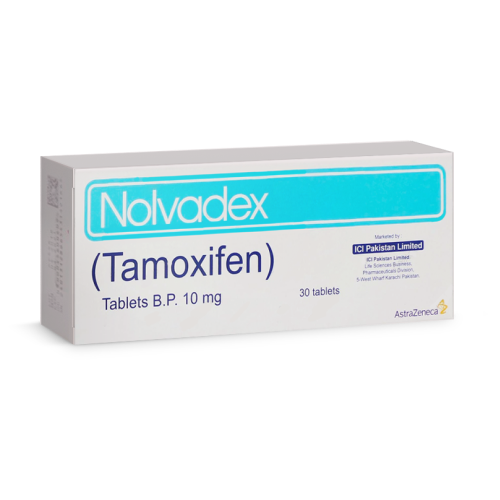
Quick Facts: Nolvadex (Tamoxifen) in the United States
| Key Fact | Detail |
|---|---|
| Active Ingredient | Tamoxifen citrate |
| Indication | Breast cancer (treatment and prevention) |
| Prescription Required? | Yes, prescription only in the United States |
| Main Contraindication | History of thromboembolic events |
| Formulations | Tablets, 10 mg and 20 mg |
| Cost Range (2026) | $30–$180 for a 30-day supply (varies by insurance and manufacturer) |
| FDA Approval Date | 1977 (with ongoing label updates) |
In short: Nolvadex is a prescription-only medication for breast cancer management in the US. Always consult a board-certified oncologist before use.
Is a Prescription Required for Nolvadex in the US?
No, you cannot legally obtain Nolvadex (Tamoxifen) without a valid prescription from a licensed healthcare provider in the United States. The U.S. Food and Drug Administration (FDA) classifies Tamoxifen as a prescription-only medication due to its potential risks, necessity for monitoring, and specialized indications.
Any pharmacy—whether online or brick-and-mortar—in the US is legally required to request a prescription before dispensing Nolvadex. Attempting to purchase it from sources that do not require a prescription is unsafe and illegal, and may expose you to counterfeit or substandard products.
Telemedicine services are available in most states and can facilitate remote consultations and legitimate prescriptions, provided you meet clinical eligibility criteria.
How Does Nolvadex (Tamoxifen) Work in the Body?
Mechanism of Action (Expert Commentary)
Nolvadex (active ingredient: Tamoxifen) is a selective estrogen receptor modulator (SERM). It binds to estrogen receptors in breast tissue, blocking the effects of estrogen—a hormone that can fuel the growth of some types of breast cancer. Specifically, Tamoxifen acts as an estrogen antagonist in breast tissue while potentially acting as an agonist (mimicking estrogen) in other tissues such as bone and the endometrium.
- Receptor Target: Estrogen receptor alpha (ERα)
- Biochemical Effect: Inhibits estrogen-driven proliferation of breast cancer cells
- Metabolism: Tamoxifen is a prodrug, metabolized mainly by CYP2D6 and CYP3A4 enzymes in the liver to active metabolites (notably endoxifen)
Metaphor: Think of Tamoxifen as a “key” that fits the estrogen receptor’s lock but cannot open the door, preventing the real estrogen “key” from triggering cancer cell growth.
Does Nolvadex require anything special to work? Yes. Its effectiveness depends on the presence of estrogen receptors in the tumor. Tamoxifen is only indicated for ER-positive (estrogen receptor-positive) breast cancers.
Recent clinical studies (2024) have confirmed ongoing efficacy for both early-stage and metastatic breast cancer, as well as for prevention in high-risk populations.[1]
Dosage Regimen and Instructions for Nolvadex
| Parameter | Details |
|---|---|
| Standard adult dose (breast cancer) | 20–40 mg daily, in 1–2 divided doses |
| Dose adjustments | Not generally required for mild renal impairment; consult oncologist for severe liver disease or in elderly patients |
| Tablet splitting | Permitted (tablets are scored), but always check with your pharmacist |
| Maximum daily dose | 40 mg (as per FDA labeling) |
| Treatment duration | 5–10 years, depending on risk profile and response |
| Onset of therapeutic effect | Weeks to months (not immediate) |
| Missed dose | Take as soon as remembered unless it’s almost time for next dose; do not double up |
Bottom line: Always follow your oncologist’s instructions. Never change your dose or schedule without professional guidance. Treatment duration is typically multi-year.
Food, Alcohol, and Lifestyle Compatibility
Question & Answer
- Can Nolvadex be taken with food?
- Yes. Tamoxifen may be taken with or without food. No significant effect of meal composition (including fatty meals) on absorption has been documented.
- Is alcohol permitted while using Nolvadex?
- Light to moderate alcohol consumption is not strictly contraindicated, but heavy drinking can potentially increase the risk of liver toxicity and interfere with medication metabolism. Always discuss your alcohol use with your doctor.
- Are there any food products to avoid?
- Grapefruit and grapefruit juice may interfere with liver enzymes responsible for metabolizing Tamoxifen. It is prudent to avoid grapefruit products during therapy.
- Can I drive or operate machinery?
- Most people do not experience side effects that impair these abilities, but dizziness or visual changes have been reported. Use caution until you know how Nolvadex affects you.
| Substance / Activity | Compatibility | Notes |
|---|---|---|
| Alcohol | Use with caution | May increase liver toxicity risk |
| Grapefruit | Avoid | May affect drug metabolism |
| Driving | Generally safe | If no dizziness or vision changes |
| Fatty meals | Permitted | No clinical impact on absorption |
Who Should Not Take Nolvadex? Absolute and Relative Contraindications
Comparison
| Absolute Contraindications (Never Use) | Relative Contraindications (Use with Caution) |
|---|---|
|
|
Key explanation: Nolvadex significantly increases the risk of blood clots. For this reason, it is absolutely contraindicated in anyone with a prior history of DVT or pulmonary embolism. Tamoxifen should never be used during pregnancy due to teratogenic risks. On the other hand, in patients with liver disease or eye problems, careful monitoring is required.
What Side Effects Are Most Common With Nolvadex?
Mixed (prose + table of adverse effects)
All medicines come with the possibility of side effects. With Nolvadex, most are manageable, but some require immediate medical attention.
| Frequency | Side Effects | Notes/Mechanism |
|---|---|---|
| Very common (>1 in 10) |
Hot flashes, vaginal discharge, irregular periods, fatigue | Due to estrogen blockage |
| Common (1–10%) |
Leg cramps, nausea, weight changes, rash | Metabolic and hormonal changes |
| Rare (0.1–1%) |
Deep vein thrombosis, pulmonary embolism, endometrial cancer, visual disturbances | Serious. Requires urgent evaluation. |
| Very rare (<0.1%) |
Severe liver injury, interstitial pneumonitis | Life-threatening. Discontinue immediately and seek care. |
If you develop sudden shortness of breath, chest pain, unexplained swelling, or vision changes, contact emergency services immediately. For mild side effects, notify your oncologist at your next visit for possible adjustment.
Nolvadex Versus Alternatives: Comparison Table
Table + Commentary
| Parameter | Nolvadex (Tamoxifen) | Arimidex (Anastrozole) | Femara (Letrozole) |
|---|---|---|---|
| Class | SERM | Aromatase inhibitor | Aromatase inhibitor |
| Main Indication | ER+ breast cancer, prevention | Postmenopausal ER+ breast cancer | Postmenopausal ER+ breast cancer |
| Pre/postmenopausal use | Both | Postmenopausal only | Postmenopausal only |
| Typical duration | 5–10 years | 5 years | 5 years |
| Key advantage | Reduced recurrence in both pre- and postmenopausal women | Lower risk of uterine cancer and blood clots | Lower risk of uterine cancer and blood clots |
| Key limitation | Increased risk of blood clots, endometrial cancer | Osteoporosis risk, joint pain | Osteoporosis risk, joint pain |
| Cost (US, 2026) | $30–$180/month | $40–$200/month | $40–$220/month |
Summary: Nolvadex remains the preferred option for premenopausal women with ER+ breast cancer, while aromatase inhibitors like Arimidex and Femara are generally used in postmenopausal women, often with fewer risks of blood clots.
Nolvadex In-Depth: Pharmacokinetics
Absorption: Nolvadex is well absorbed orally with peak plasma levels reached 4–7 hours after dosing.
Distribution: It is highly protein-bound (>99%) and widely distributed in body tissues.
Metabolism: Processed mainly by CYP2D6 and CYP3A4 enzymes in the liver, leading to active metabolites, especially endoxifen which provides much of the clinical effect.
Elimination: Primarily excreted by the liver into bile, then removed via feces. Only a minor portion (less than 10%) is excreted in urine.
Half-life: Tamoxifen’s half-life is about 5–7 days, but its active metabolites may persist for weeks. This means steady-state levels are achieved gradually, supporting long-term continuous therapy.
Impact of liver or kidney disease: In severe hepatic impairment, Tamoxifen use may require dose adjustment or be contraindicated. Renal impairment has less impact due to minimal renal excretion.
Implication: It is critical to notify your provider if you have chronic liver disease, as this may affect both efficacy and side effect risk.
Obtaining Nolvadex Legally in the United States: Step-by-Step
- Consultation: Schedule an appointment with a licensed oncologist or primary care provider. Telemedicine services (such as Teladoc, Amwell, or your local hospital’s virtual clinic) are increasingly common and legally recognized in most states.
Pro tip: Ensure the provider is board certified in oncology or internal medicine. - Evaluation: The physician will assess your breast cancer risk or current diagnosis, review your medical history (especially clotting risk), and may order tests (such as ER status if not already done).
- Prescription Issuance: If clinically appropriate, your provider will send an electronic prescription (e-prescription) to your preferred U.S. pharmacy.
- Pharmacy Fulfillment: Pick up your medication at a local or hospital pharmacy, or request USPS delivery from a verified online U.S. pharmacy. Insurance plans (Medicare, Medicaid, most commercial insurers) typically cover Tamoxifen with an oncology diagnosis.
- Follow-up: Regular monitoring visits (every 3–6 months) are required to track efficacy, side effects, and routine blood work.
Warning: Never use “online pharmacies” that do not require a prescription or appear to ship from outside the United States. These sources often provide counterfeit, ineffective, or unsafe products.
Is It Safe to Purchase Nolvadex Online in the United States?
Legally, you can only purchase Nolvadex from pharmacies registered and licensed in the United States, and only with a valid prescription. The National Association of Boards of Pharmacy (NABP) maintains a list of verified and safe online pharmacies. Look for the VIPPS (Verified Internet Pharmacy Practice Sites) seal.
- Pharmacies must request a prescription and provide a licensed pharmacist for counseling.
- Online sites that do not require a prescription or promise “no questions asked” are illegal and potentially dangerous.
- Importing Nolvadex for personal use from abroad can result in customs seizure and legal consequences.
- Counterfeit medications are extremely common from unverified online sources—these may have incorrect ingredients and can be life-threatening.
Summary: Buy only from U.S.-licensed, VIPPS-accredited online pharmacies. If in doubt, check your state pharmacy board’s website for verification.
How to Recognize Counterfeit Nolvadex and Generic Options
Quality Check Block
- Original Nolvadex packaging features: sealed blister packs, manufacturer’s logo, batch number, and an FDA-approved National Drug Code (NDC) on the box.
- In the United States, most Tamoxifen is dispensed as generics (e.g., by Teva, Sandoz, Mylan), each with distinct labeling and pill markings. FDA-approved generics are required to match the original in effectiveness and safety.
- Appearance: tablets are typically white, round or oval, and marked with a code (e.g., “NOLVADEX 10” or the generic manufacturer’s imprint). Any change in color, shape, or unmarked tablets should raise suspicion.
- QR code or hologram: Some manufacturers use these for added security, always check if present and verify using the manufacturer’s website.
- Red flags for counterfeits: extremely low price, foreign language packaging, no prescription needed, or delivery from outside the U.S.
Generics vs. Original: Generic Tamoxifen is bioequivalent to Nolvadex, but inactive ingredients may differ slightly, potentially affecting allergy risk in sensitive individuals. Always check the leaflet for excipients if you have known allergies.
Your pharmacist can help verify authenticity—don’t hesitate to ask for a verification of the manufacturer and lot number.
Special Considerations for Different Patient Groups
Expert Commentary
- Elderly: No major differences in efficacy or safety, but closer monitoring for thrombotic and visual side effects is advised due to increased baseline risks.
- Women of childbearing age: Tamoxifen is teratogenic. Effective contraception is essential during therapy and for at least two months after stopping.
- Men with breast cancer: Tamoxifen is also standard for male breast cancer, with similar dosing and side effect profiles.
- Chronic liver disease: May not be appropriate; alternatives may be considered due to slower clearance and increased toxicity risk.
- Kidney disease: No specific dose adjustment needed for mild-to-moderate impairment, but monitoring is wise.
- Driving and machinery: If experiencing dizziness or visual changes, avoid hazardous activities.
- Fertility: Tamoxifen can induce ovulation but is not recommended for fertility treatment due to cancer risks unless under strict specialist oversight.
In all cases, close coordination with your healthcare provider is essential for safety and optimal outcomes.
Myth vs Reality: Understanding Nolvadex Limitations
Myth vs Reality Micro-Moment
- Myth:
- Nolvadex cures breast cancer instantly.
- Reality:
- Nolvadex reduces recurrence risk and slows tumor progression, but does not provide an immediate or guaranteed cure. True remission often requires a combination of surgery, chemotherapy, and/or radiation.
- Myth:
- Nolvadex works for all breast cancer types.
- Reality:
- Only effective for estrogen receptor-positive (ER+) cancers. It is not indicated for triple-negative or HER2-positive subtypes.
- Myth:
- Stopping Nolvadex suddenly is harmless.
- Reality:
- Abrupt discontinuation can increase cancer recurrence risk. Any change should be supervised by your oncologist.
In short: Nolvadex is a cornerstone of ER+ breast cancer therapy, but not a panacea. Compliance and expert supervision are essential.
What Should I Do If Nolvadex Does Not Work?
Prose
Lack of response to Nolvadex may be suspected if cancer progresses, recurs, or fails to shrink after several months of adherence. In this scenario, your oncologist will likely:
- Re-evaluate the tumor’s receptor status (ER, PR, HER2)
- Consider switching to alternative endocrine therapies (e.g., aromatase inhibitors, fulvestrant)
- Assess for medication interactions or genetic differences in drug metabolism (notably CYP2D6 polymorphism)
- Discuss options for adding or switching to chemotherapy, targeted therapies, or clinical trial enrollment
Never discontinue or switch medications without medical supervision. Open communication with your care team is the best strategy for long-term success.
Overdose: What to Do If Too Much Nolvadex Is Taken
- Stop taking Nolvadex immediately.
- Call Poison Control (1-800-222-1222) or 911 for immediate medical advice in the United States.
- Be ready to provide information on the dose and time of ingestion, as well as any symptoms (e.g., unsteady gait, tremors, vomiting, irregular heartbeat, severe dizziness).
- Do not induce vomiting unless instructed by a medical professional.
- Bring the medication bottle or packaging to the emergency room if immediate care is needed.
Symptoms of acute overdose may include tremor, unsteady gait, dizziness, vomiting. Severe outcomes (such as seizures or cardiac arrhythmias) are rare but possible at very high doses. Always seek emergency help if overdose is suspected.
Support and Psychological Aspects of Breast Cancer Treatment
Breast cancer diagnosis and therapy—including the use of medications like Nolvadex—can trigger anxiety, depression, or personal doubts. You are not alone. Many Americans face these challenges every year.
Consider reaching out to a counselor, joining patient support groups (e.g., the American Cancer Society or local hospital programs), and openly discussing concerns with your oncology team. Emotional well-being is as vital to recovery as physical health.
Frequently Asked Questions: Nolvadex in the US
- Can Nolvadex be used daily?
- Yes, Nolvadex (Tamoxifen) is usually taken once or twice daily as prescribed by your doctor.
- Is Nolvadex covered by insurance in the United States?
- Most commercial insurance plans, Medicare, and Medicaid cover Tamoxifen for approved oncology indications. Out-of-pocket costs vary by plan.
- How long do I need to take Nolvadex?
- Standard duration is 5–10 years, depending on individual risk and response.
- What should I do if I miss a dose?
- Take the missed dose as soon as you remember, unless it’s almost time for your next dose. Do not double doses.
- Are there effective alternatives to Nolvadex?
- Yes. Aromatase inhibitors (like anastrozole and letrozole) are alternatives for postmenopausal women. Your oncologist will recommend based on your profile.
- Can I stop Nolvadex if I feel fine?
- No. Always consult your healthcare provider before making changes, as early discontinuation increases recurrence risk.
- Is Nolvadex safe during pregnancy?
- No. Tamoxifen should never be used during pregnancy due to risk of birth defects.
- How do I know if my Nolvadex is authentic?
- Tamoxifen from US-licensed pharmacies is authentic. Always check packaging, labeling, and consult your pharmacist if uncertain.
References
- U.S. Food & Drug Administration. “Tamoxifen Citrate Label.” FDA Drug Database. 2026. FDA Official Label
- National Comprehensive Cancer Network (NCCN). “Breast Cancer Guidelines Version 2.2026.” Accessed June 2026. NCCN Guidelines
- U.S. National Library of Medicine. “Tamoxifen – MedlinePlus Drug Information.” Accessed June 2026. MedlinePlus
- National Institutes of Health. “Tamoxifen: Pharmacology and Clinical Experience.” PubMed, 2024. PubMed Study
- American Cancer Society. “Tamoxifen for Breast Cancer.” Accessed June 2026. ACS Tamoxifen